Celebrity
Lincoln Townley: The Rise of a Contemporary British Artist

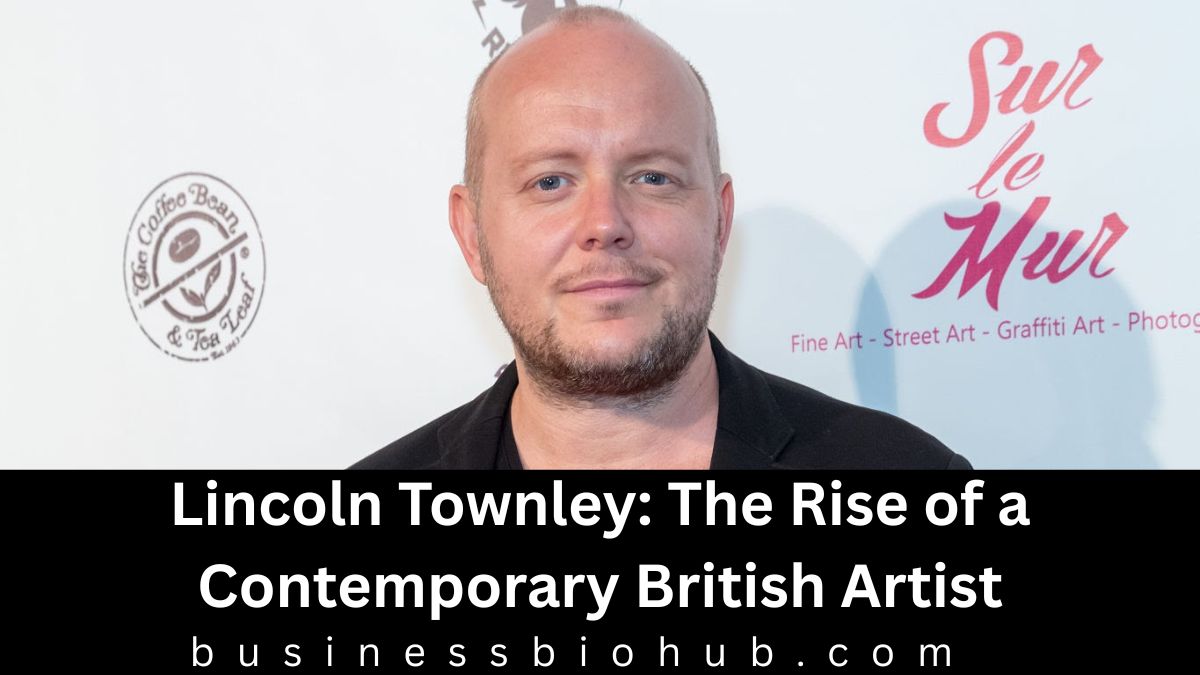
Lincoln Townley has built a reputation as one of Britain’s most recognisable contemporary figurative artists, known for emotionally charged portraits that merge abstraction with psychological intensity. His career stands out not only for the scale of his success but also for the unusual route he took into the art world. Before becoming widely known as a painter, Townley worked in public relations and later reinvented himself as a full-time artist, developing a body of work that has attracted collectors, institutions, and high-profile commissions.
Early Life and Unconventional Path
Born in 1972, Lincoln Townley is an English artist with a background unlike many traditionally trained painters. He is self-taught, a distinction shaping his public image and artistic identity. Avoiding conventional art academies, Townley developed his own visual language, helping him stand out in contemporary art. His late start in painting adds to the sense that his work stems from lived experience rather than academic influence.
A Career Change That Shaped His Art
Before turning to art, Townley worked in public relations and marketing, giving him insight into celebrity, image, and public identity—central themes in his work. This background explains why his portraits feel less like straightforward likenesses and more like studies of fame, ambition, and vulnerability. His paintings suggest that visible success often masks a vulnerable inner world.
Lincoln Townley’s Artistic Style
Townley’s work blends figuration and abstraction. His paintings start with recognisable human forms, layered with energetic brushwork, bold colour, and distortion that create emotional force. As noted in his biography, his style explores his subjects’ inner lives and uses strong marks to convey movement, urgency, and vulnerability. This approach links his work to themes of isolation, pressure, and the psychological cost of fame.
Themes Behind the Portraits
A key feature of Townley’s art is that it reaches beyond appearance. His paintings aren’t just about what famous people look like—they explore what celebrity, wealth, and scrutiny do to a person. This explains the appeal of his portraits of public figures. The work asks viewers to consider the tension between glamour and fragility, success and loneliness, confidence and collapse.
Major Career Milestones
Townley’s momentum grew through notable exhibitions and commissions. Between 2015 and 2017, he was an artist-in-residence at Marriott Canary Wharf, increasing his audience. His work also appeared in the Sir Hugh Casson Room at the Royal Academy of Arts in 2015 and 2016, bolstering his reputation in established artistic circles.
High-Profile Commissions
His rising status brought major commissions. Mastercard selected Townley to paint global icons, and BAFTA Los Angeles tasked him with celebrity portraits in 2016 and 2017. These projects affirmed his ability to operate at the intersection of fine art, popular culture, and corporate prestige, strengthening his reputation for portraits that are both commercial and expressive.
The Muhammad Ali Painting and Market Success
A clear sign of Townley’s commercial success came in 2017, when his painting of Muhammad Ali sold for $623,000. This sale drew greater attention and highlighted collectors’ demand for his work. It also marked his move from an emerging artist to one of serious auction and collector interest. In the contemporary art market, such sales suggest both popularity and confidence in his lasting cultural and financial relevance.
International Presence and Continuing Influence
Townley’s career has become increasingly international. His site notes he is preparing for his fourth Venice Biennale in 2026, demonstrating lasting global visibility. Recent profiles and studio materials show a growing base of collectors and ongoing international exhibition activity. This continued presence proves his success was not tied to a single moment but to consistent efforts appealing to private collectors and broader audiences.
Why Lincoln Townley Matters
Lincoln Townley represents a modern artist: commercially successful, recognisable, and emotionally direct. His work addresses a culture obsessed with image, achievement, and status, often exposing the instability beneath. This tension gives his paintings power. For admirers of contemporary portrait painting, Townley brings immediacy and memorability, balancing visual drama with psychological depth.
Conclusion
Lincoln Townley’s career is one of reinvention, ambition, and artistic achievement. From a self-taught painter to a globally recognised contemporary artist, he has carved out a distinct place in British art. His portraits, with bold colour, expressive energy, and emotional tension, attract attention for revealing more than likeness; they capture the pressure and complexity behind modern fame and power. This makes Townley more than a celebrity portraitist—it makes him a significant figure in contemporary art.


Pasonet Explained: Why This Digital Name Is More Complicated Than It First Appears

1upHealth Revenue Cycle Automation Partnerships: What’s Real, What’s Emerging, and Why 2027 Changes the Stakes

Kögel Trailer GmbH Manufacturing or Wholesale? The Business Model Behind the German Trailer Company

Paul Smalley Studied at University: The Education Behind His Global Football Career

Fawn Radmanich Marketing Strategy Experience: Why Her 25-Year A/E/C Career Centers on Winning Complex Work

Emily Seitz Pawlak at TriHealth: The Revenue Cycle Executive Who Pushed Automation Beyond Billing

Jadene Elden, AI Automation and RCM at Southcoast Health: What the Public Record Actually Shows

Tina Esposito Advocate Health Bio: The Data Executive Shaping Analytics, AI and Patient Care

Michael Roe Operating Partner NexPhase: The Verified Record Behind the Name — and the michaelroe.net Question

Briana Biagi Banner Health Fallon NV Staff Directory: What Current Records Actually Show

Astrid Hannah: The Inspiring Story of John Hannah’s Daughter and Her Life Beyond Competitive Swimming

Best Pasticho Venezuelan Lasagna Near Me: A Complete Guide to Finding This Rich Latin Comfort Food

Natasha Podstepny LinkedIn Performant Healthcare Nashville: Inside Her Professional Journey

John Minoli: The Private Life and Career of Sheena Easton’s Fourth Husband

Jeroen Dik: How He Built a Powerful Legacy in Performance Tuning and Motorsport

Lihnk Explained: The Mysterious Search Term, Possible Meanings, and What Users Should Know
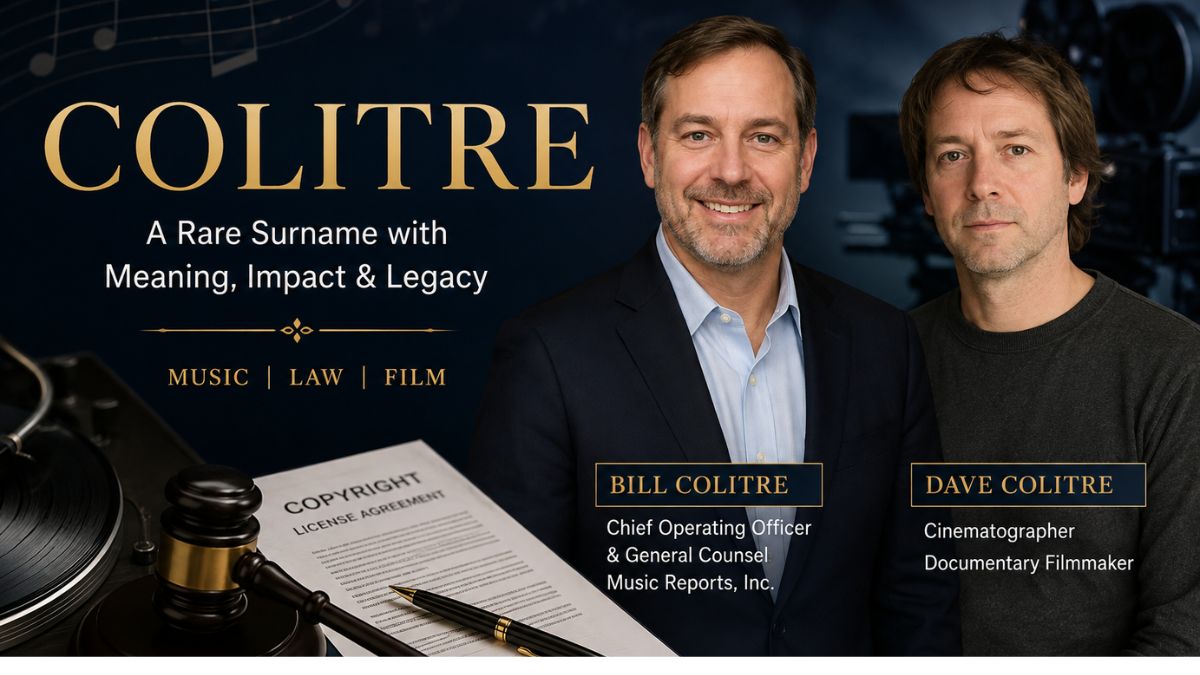
Colitre Explained: The Powerful Story Behind a Rare Name and Its Modern Identity
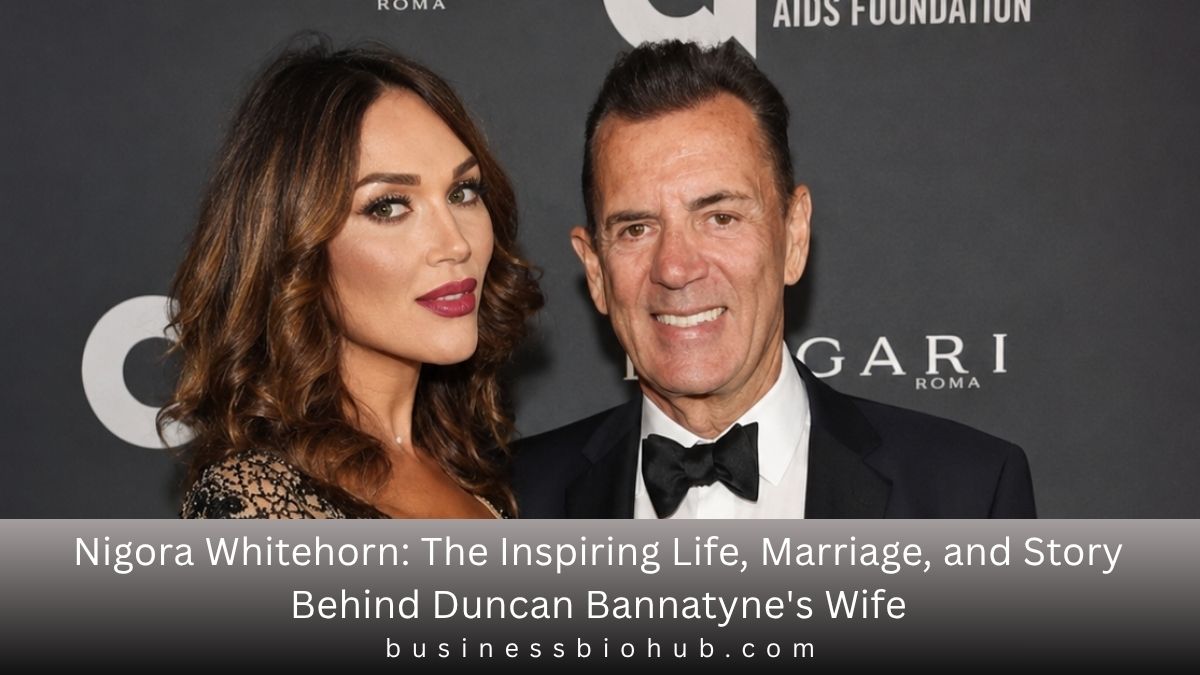
Nigora Whitehorn: The Inspiring Life, Marriage, and Story Behind Duncan Bannatyne’s Wife

Kemberly Blackledge LinkedIn Nashville General Hospital Chief Revenue Officer: How She Built a Powerful Healthcare Finance Career

Quartz Events Sponsor Matching Companies: What the B2B Matchmaking Model Really Offers
Pasonet Explained: Why This Digital Name Is More Complicated Than It First Appears
1upHealth Revenue Cycle Automation Partnerships: What’s Real, What’s Emerging, and Why 2027 Changes the Stakes
Kögel Trailer GmbH Manufacturing or Wholesale? The Business Model Behind the German Trailer Company
Paul Smalley Studied at University: The Education Behind His Global Football Career
Fawn Radmanich Marketing Strategy Experience: Why Her 25-Year A/E/C Career Centers on Winning Complex Work
Emily Seitz Pawlak at TriHealth: The Revenue Cycle Executive Who Pushed Automation Beyond Billing
Jadene Elden, AI Automation and RCM at Southcoast Health: What the Public Record Actually Shows
Tina Esposito Advocate Health Bio: The Data Executive Shaping Analytics, AI and Patient Care
Michael Roe Operating Partner NexPhase: The Verified Record Behind the Name — and the michaelroe.net Question
Briana Biagi Banner Health Fallon NV Staff Directory: What Current Records Actually Show
-
 Celebrity4 months ago
Michael Scott Ryan: The Private Writer Known for His Connection to Jennifer Ehle
-
 Celebrity4 months ago
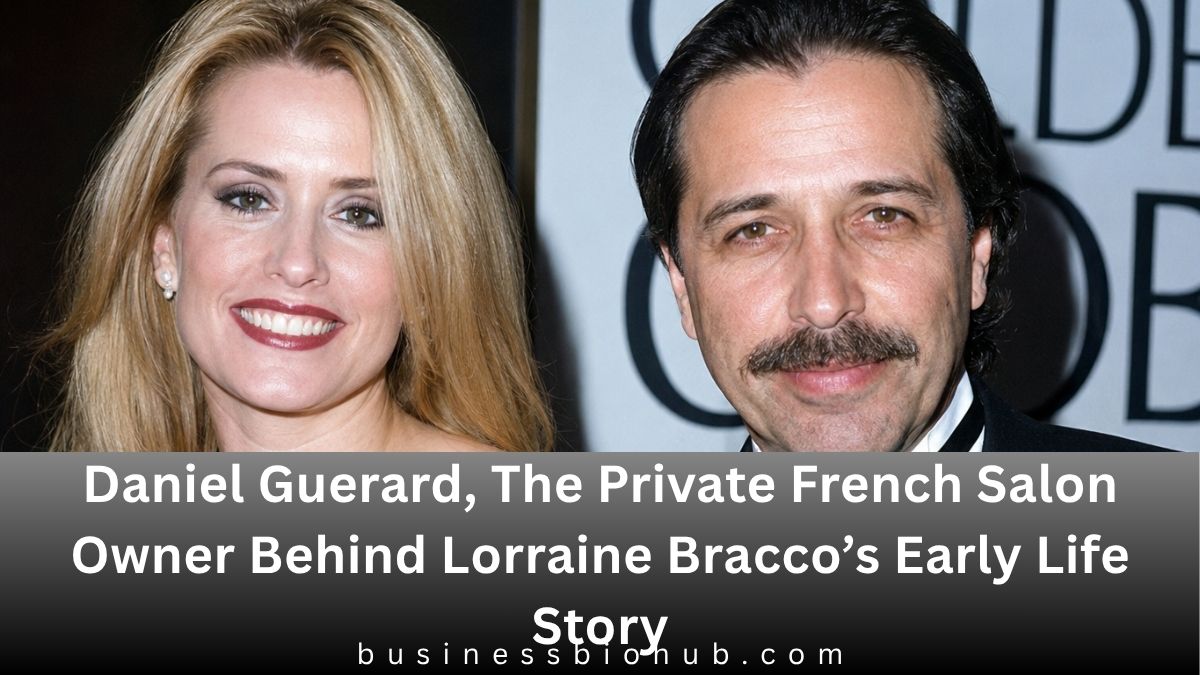
Daniel Guerard, The Private French Salon Owner Behind Lorraine Bracco’s Early Life Story
-
 Celebrity5 months ago
Caroline Hickman: The Private Life and Public Attention Around Steve Coogan’s Former Wife
-
 Celebrity3 months ago
Benn George, The Private British Businessman Behind a Powerful Chapter in Tiffany Darwish’s Life