
Technology
AC Compressor Repairing: Expert Guide to Diagnosing, Fixing, and Preventing AC Compressor Problems

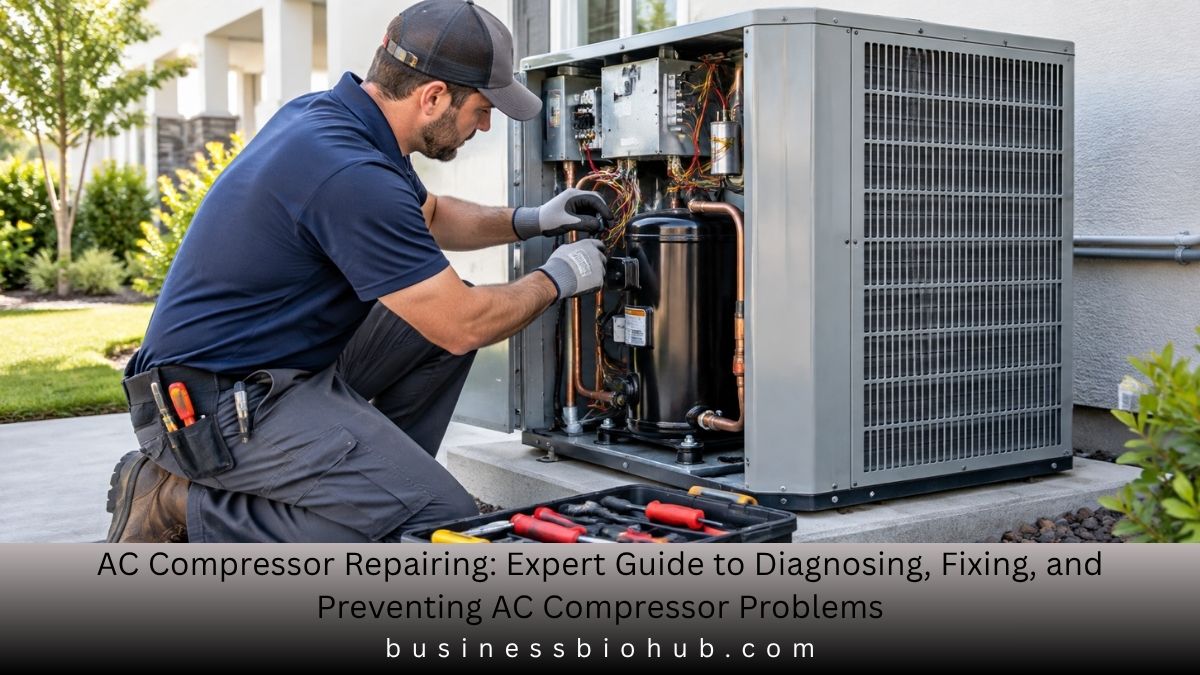
An air-conditioning system depends heavily on its compressor. Often described as the heart of the cooling system, the compressor circulates refrigerant between the indoor and outdoor components while creating the pressure needed for effective cooling. When this important component develops a fault, the air conditioner may stop cooling properly, make unusual noises, consume excessive electricity, or fail completely.
AC compressor repairing can sometimes restore the system without requiring complete air-conditioning replacement. However, compressor problems should be diagnosed carefully because symptoms that appear to indicate compressor failure may actually come from electrical components, refrigerant problems, dirty coils, or other parts of the system.
Understanding how compressor faults occur can help property owners make better repair decisions and prevent unnecessary expenses.
What Is AC Compressor Repairing?
AC compressor repairing involves identifying and correcting problems affecting the compressor or components directly responsible for its operation. Depending on the problem, repair work may involve electrical testing, capacitor replacement, wiring repair, refrigerant system inspection, cleaning, or replacement of damaged compressor components.
The compressor is normally located inside the outdoor unit of a split or central air-conditioning system. It receives low-pressure refrigerant gas and compresses it into a high-pressure, high-temperature gas. The refrigerant then continues through the cooling cycle.
Because the compressor operates under pressure and uses electrical power, repairs generally require proper equipment and technical knowledge.
Common Signs of AC Compressor Problems
Compressor trouble rarely appears without warning. Air conditioners often develop noticeable performance changes before complete compressor failure occurs.
AC Is Running but Not Cooling
One common symptom is an air conditioner that operates while producing little or no cold air. This may happen when the compressor cannot circulate refrigerant effectively.
However, poor cooling does not automatically mean the compressor is damaged. Low refrigerant, dirty filters, frozen evaporator coils, thermostat problems, or blocked airflow can create similar symptoms.
Correct diagnosis is therefore important before expensive compressor repair begins.
Outdoor Unit Makes Unusual Noises
Grinding, rattling, buzzing, clicking, or vibrating noises from the outdoor unit can indicate mechanical or electrical problems.
A buzzing sound may sometimes be associated with capacitor or electrical issues, while grinding noises could suggest internal compressor damage.
Ignoring unusual sounds can allow a relatively manageable problem to become a more serious AC compressor failure.
Compressor Does Not Start
Sometimes the indoor fan operates normally while the compressor does not start.
This problem can result from a failed start capacitor, faulty contactor, damaged wiring, overheating protection, incorrect electrical voltage, or internal compressor failure.
Electrical Components Should Be Checked First
Before assuming that compressor replacement is necessary, technicians usually examine the electrical components connected to the compressor.
A faulty capacitor, loose terminal, damaged wire, or defective contactor may prevent a functioning compressor from starting.
Replacing one of these components can be significantly less expensive than replacing the compressor itself.
How AC Compressor Repairing Is Performed
Proper diagnosis is the most important part of compressor repair. Replacing parts without identifying the actual cause may waste money and fail to solve the cooling problem.
Initial System Inspection
The air-conditioning system should first be examined for visible damage, unusual noise, overheating, dirty condenser coils, damaged wiring, and airflow problems.
The technician may also review how the system behaves during startup.
Electrical measurements can help determine whether the compressor is receiving the correct power and whether its windings appear normal.
Refrigerant Pressure Testing
The refrigerant system plays a major role in compressor operation. Incorrect pressure can place excessive stress on the compressor.
Low refrigerant may indicate a leak, while abnormal pressure can also result from airflow restrictions, blocked components, charging problems, or other refrigeration system faults.
A technician may check operating pressures and temperatures to understand whether the refrigerant cycle is functioning correctly.
Identifying Electrical Failure
Electrical problems are among the most common causes of compressor-related symptoms.
Capacitors help certain AC motors and compressors start and operate correctly. When a capacitor becomes weak or fails, the compressor may struggle to start, repeatedly shut down, or fail to operate altogether.
Contactors, relays, wiring connections, circuit protection devices, and supply voltage may also require inspection.
Checking Compressor Windings
Special testing equipment can be used to examine electrical resistance across compressor terminals.
Abnormal measurements may indicate damaged motor windings or an electrical short inside the compressor. A compressor that has suffered serious internal electrical damage usually requires replacement rather than simple repair.
Causes of AC Compressor Failure
Understanding why compressors fail is important because replacing a compressor without correcting the original cause can damage the new unit as well.
Dirty Condenser Coils
The outdoor condenser coil releases heat collected from inside the building. When the coil becomes heavily covered with dust, dirt, leaves, or debris, heat transfer becomes less efficient.
The compressor may then operate at higher temperatures and pressures.
Long-term overheating can shorten compressor life and increase electricity consumption.
Refrigerant Problems
Both insufficient and improper refrigerant conditions can affect compressor performance.
A refrigerant leak can reduce cooling capacity and may create operating conditions that are harmful to the compressor. Incorrect charging can also produce abnormal system pressures.
Simply adding refrigerant without checking for the cause of refrigerant loss may not provide a lasting solution.
Poor Airflow
Restricted airflow can cause several air-conditioning problems.
Dirty air filters, blocked vents, dirty evaporator coils, or malfunctioning blower components can reduce airflow through the system. These conditions may contribute to coil freezing and inefficient cooling, placing additional stress on the overall refrigeration cycle.
Electrical Problems
Power fluctuations, damaged connections, weak capacitors, defective contactors, and incorrect voltage can interfere with compressor operation.
Repeated electrical stress may eventually damage compressor windings.
Routine inspection of electrical components can therefore be an important part of AC maintenance.
Can an AC Compressor Always Be Repaired?
Not every compressor problem can be economically repaired.
Minor external problems such as faulty wiring, capacitors, contactors, terminals, or control components may be repairable without replacing the compressor.
Severe internal mechanical failure is different.
When Compressor Replacement May Be Necessary
A compressor with burned electrical windings, internal mechanical damage, severe locking, or extensive wear may need replacement.
The age and condition of the complete air conditioner should also be considered.
If an older system requires an expensive compressor replacement and has other worn components, replacing the entire unit may sometimes be more practical than investing heavily in one major component.
Repair Versus Replacement
The decision should consider compressor condition, air-conditioner age, refrigerant type, overall system efficiency, repair history, replacement-part availability, and total cost.
A newer system with an isolated compressor problem may justify repair or compressor replacement. An old system with repeated failures may require a broader solution.
Why Professional Diagnosis Matters
AC compressor repairing involves electricity, pressurised refrigerant, mechanical equipment, and specialised testing procedures.
Attempting complex compressor work without appropriate knowledge can cause additional system damage and create safety risks.
Professional diagnosis also reduces the chance of replacing a compressor when the actual problem is a relatively inexpensive electrical component.
A qualified technician should identify the reason for the failure rather than focusing only on the damaged component.
How to Prevent Future Compressor Problems
Regular maintenance can reduce unnecessary stress on an air-conditioning compressor.
Air filters should be kept clean, condenser coils should remain free from heavy dirt and debris, and airflow around the outdoor unit should not be blocked. Unusual noises, declining cooling performance, frequent system shutdowns, or unexpectedly high electricity consumption should be investigated early.
Routine servicing can also identify weak electrical components before they cause larger failures.
Operating an AC system for long periods while it is malfunctioning may turn a minor repair into expensive compressor damage.
AC Compressor Repairing and Energy Efficiency
A properly operating compressor helps the air conditioner maintain comfortable indoor temperatures without unnecessary energy consumption.
When the compressor struggles because of dirty coils, electrical problems, refrigerant issues, or excessive heat, the system may run for longer periods.
Long operating cycles usually increase electricity consumption while providing weaker cooling performance.
Restoring proper compressor operation can therefore improve both comfort and overall AC efficiency when the compressor is genuinely responsible for the problem.
Final Thoughts
AC compressor repairing requires accurate diagnosis because several air-conditioning faults can produce similar symptoms. Poor cooling, unusual sounds, startup problems, overheating, and repeated shutdowns can indicate compressor trouble, but they may also originate from capacitors, contactors, wiring, airflow restrictions, dirty coils, or refrigerant conditions.
The best approach is to identify the root cause before replacing expensive components. Minor external faults may be repaired relatively easily, while serious internal compressor damage can require compressor replacement.
Regular AC maintenance, clean airflow paths, proper refrigerant conditions, healthy electrical components, and early attention to warning signs can reduce compressor stress and extend the service life of the entire air-conditioning system. When significant compressor trouble occurs, careful professional inspection remains the safest way to determine whether repair or replacement provides the most practical long-term solution.

Telehealth Psychiatric & Mental Health Care: Accessible Support for a Healthier Mind

West Palm Beach Detox: A Safe and Supportive Start to Lasting Recovery

Drug & Alcohol Rehab in West Palm Beach, FL: Start Your Journey to a Healthier Life

Drug & Alcohol Detox in South Carolina: A Complete Guide to Safe Recovery

Drug and Alcohol Detox Kentucky: Your Guide to Safe Recovery at Paducah Detox Center

Addiction Treatment in Plymouth: Understanding Addiction & Mental Health Treatment

Ohio Center for Adolescent Wellness: Your Guide to Teen Mental Health Services in Ohio

Massachusetts Center for Adolescent Wellness: Your Guide to Teen Mental Health & Addiction Treatment in MA

Foundation Diploma Singapore: A Practical Route Towards Higher Education

How to Stay Safe and Private While Using Public Wi-Fi

Paul Smalley Studied at University: The Education Behind His Global Football Career

Diamo Jewels Under the Lens: What Buyers Should Know Before Ordering in 2026

Billie Henry: Inside the Private Life Dawn French Fought to Keep Out of the Spotlight

Tina Esposito Advocate Health Bio: The Data Executive Shaping Analytics, AI and Patient Care

Kögel Trailer GmbH Manufacturing or Wholesale? The Business Model Behind the German Trailer Company

iPhone 17 Pro Max Phone Case: Best Protection Choices That Actually Matter in 2026

Pasonet Explained: Why This Digital Name Is More Complicated Than It First Appears

1upHealth Revenue Cycle Automation Partnerships: What’s Real, What’s Emerging, and Why 2027 Changes the Stakes

Industrial Entrepreneurs Memorandum: The 2026 IEM Rules Every Large Manufacturer Should Understand

EliseAI Head of Partnerships 2024–2026: The Leadership Shift Behind Its Expanding AI Partner Network
Telehealth Psychiatric & Mental Health Care: Accessible Support for a Healthier Mind
West Palm Beach Detox: A Safe and Supportive Start to Lasting Recovery
Drug & Alcohol Rehab in West Palm Beach, FL: Start Your Journey to a Healthier Life
Drug & Alcohol Detox in South Carolina: A Complete Guide to Safe Recovery
Drug and Alcohol Detox Kentucky: Your Guide to Safe Recovery at Paducah Detox Center
Addiction Treatment in Plymouth: Understanding Addiction & Mental Health Treatment
Ohio Center for Adolescent Wellness: Your Guide to Teen Mental Health Services in Ohio
Massachusetts Center for Adolescent Wellness: Your Guide to Teen Mental Health & Addiction Treatment in MA
Foundation Diploma Singapore: A Practical Route Towards Higher Education
How to Stay Safe and Private While Using Public Wi-Fi
-
 Celebrity4 months ago
Michael Scott Ryan: The Private Writer Known for His Connection to Jennifer Ehle
-
 Celebrity4 months ago
Benn George, The Private British Businessman Behind a Powerful Chapter in Tiffany Darwish’s Life
-
 Celebrity5 months ago
Daniel Guerard, The Private French Salon Owner Behind Lorraine Bracco’s Early Life Story
-
 Celebrity6 months ago
Caroline Hickman: The Private Life and Public Attention Around Steve Coogan’s Former Wife