
Blog
Drug & Alcohol Detox in South Carolina: A Complete Guide to Safe Recovery

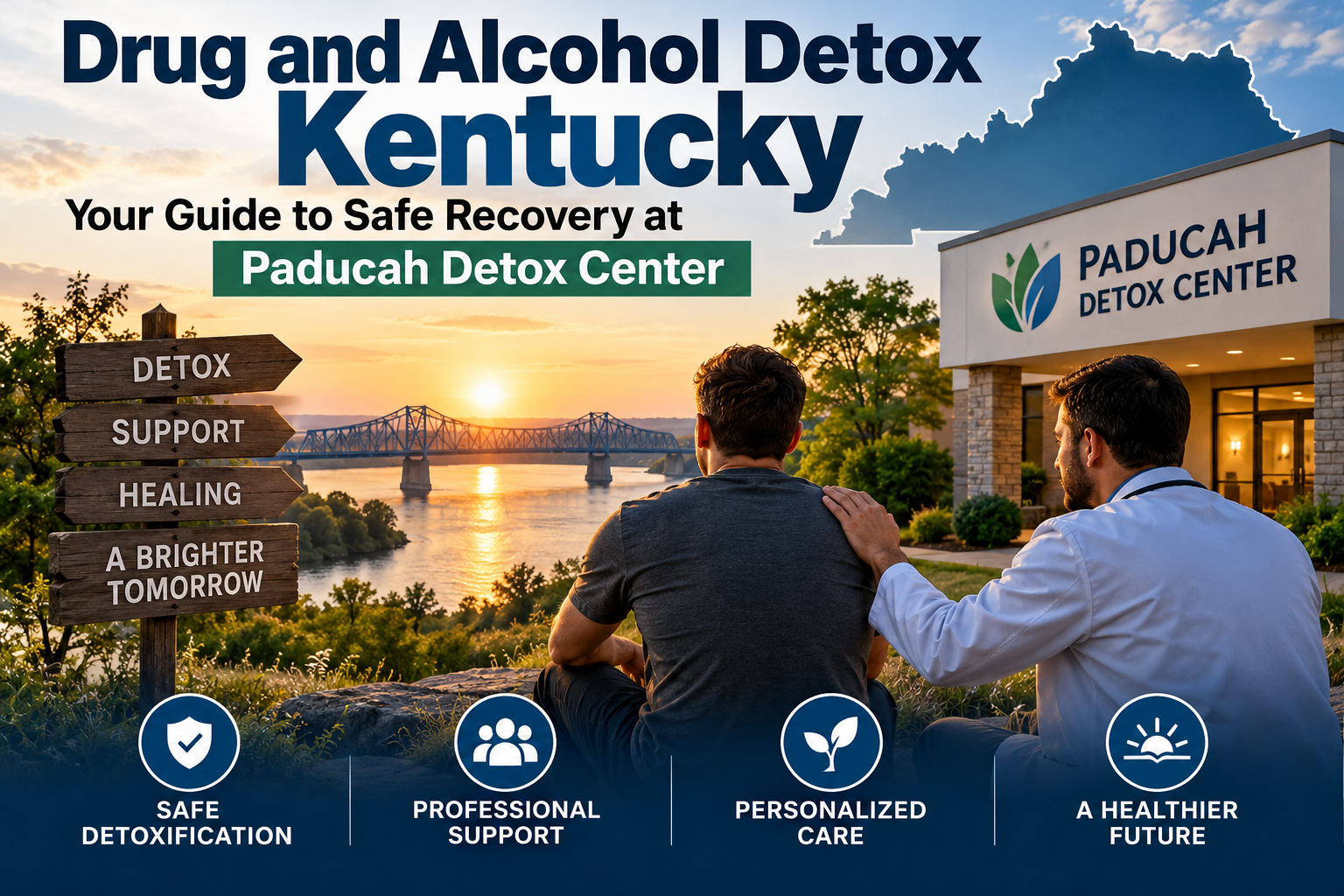
Choosing to stop using drugs or alcohol is one of the bravest decisions a person can make. For many people, the safest first step is medically supervised care. Professional drug and alcohol detox in South Carolina helps the body clear substances while symptoms are managed. It also gives people steady support during the hardest first days.
Detox is only the beginning of recovery, though. Lasting change usually needs structured therapy, education, and ongoing support. A drug rehab program in Port Royal, SC can help people build healthy habits and address the root causes of addiction. Together, detox and rehab give people the best chance at a stable future.
What Is Drug and Alcohol Detox?
Detox is the process of letting the body remove drugs or alcohol while withdrawal symptoms are managed. When someone has used a substance heavily, the body adapts to having it. Stopping suddenly can cause uncomfortable and sometimes dangerous symptoms. Detox is designed to keep a person safe while the body adjusts.
The process usually begins with an assessment of the person’s health and substance use history. Medical staff then monitor vital signs and provide care throughout withdrawal. Some people may receive medication to ease symptoms, depending on their needs. The length of detox depends on the substance, how long it was used, and the person’s overall health.
Why Medical Detox Is the Safer Choice
Withdrawal from alcohol and certain drugs can be risky without medical care. Seizures, dehydration, and severe anxiety are among the complications that can occur. Some symptoms can even become life-threatening if they are ignored. This is why medical supervision matters so much in the first days of recovery.
Choosing Drug & Alcohol Detox in South Carolina means trained staff are close by if something goes wrong. Detoxing at home also carries a high risk of relapse, because cravings can feel overwhelming. In a supervised setting, people are away from triggers and surrounded by support. This calm, structured environment makes it much easier to finish detox and move on to the next stage.
Signs You May Need Professional Help
Many people wonder whether their substance use has become serious enough to need treatment. Addiction often develops slowly, so the warning signs are easy to miss. Knowing what to look for can help you or a loved one act sooner.
- You cannot cut back or stop, even when you want to
- You feel withdrawal symptoms such as shaking, sweating, or nausea
- You need larger amounts to feel the same effect
- Substance use is hurting your job, health, or relationships
- You spend much of your time getting, using, or recovering from substances
- You have tried to quit on your own and relapsed
If several of these sound familiar, it may be time to speak with a treatment professional. Asking for help early can stop problems from growing worse. Reaching out is a sign of strength, not weakness.
Detox vs. Rehab: Understanding the Difference
Detox and rehab are often mentioned together, but they serve different purposes. Detox focuses on the body and on safely managing withdrawal. Rehab focuses on the mind and behavior, helping people change their relationship with substances. Most people benefit from completing both in the right order.
| Feature | Detox | Rehab Program |
| Main goal | Safely clear substances from the body | Build skills for long-term recovery |
| Typical focus | Medical care and symptom management | Therapy, counseling, and relapse prevention |
| Typical length | Several days to about a week or more | Weeks to months, depending on the plan |
| Key outcome | Physical stability | Lasting behavior change |
Detox alone rarely leads to lasting recovery, because it does not address why the addiction began. Rehab builds on the stability that detox provides. When the two are combined, people are far more prepared to stay sober. This is why most treatment plans treat them as two connected steps.
What a Good Rehab Program Includes
A strong rehab program looks at the whole person, not just the substance use. It usually begins with an individual assessment so the plan fits the person’s needs. Daily schedules often include counseling, group sessions, and education about addiction. Structure and routine help people rebuild confidence and stability.
Many people choose a Drug Rehab Program in Port Royal, SC because it offers focused care in a peaceful setting. A good program also teaches coping skills for stress, cravings, and difficult emotions. Family involvement and aftercare planning are often part of the process too. These pieces work together to support recovery long after the program ends.
Therapies That Support Long-Term Recovery
Therapy is at the heart of most rehab programs. Cognitive behavioral therapy helps people notice unhelpful thought patterns and replace them with healthier ones. Individual counseling gives a private space to work through trauma, grief, or other struggles. Group therapy shows people that they are not alone in their journey.
Many programs also include relapse prevention training and life skills coaching. Some add holistic activities such as mindfulness, exercise, or art to support emotional balance. Treating mental health conditions alongside addiction is also very important. When both are addressed together, recovery tends to be stronger and more lasting.
Frequently Asked Questions
How long does detox usually take?
It depends on the substance, how long it was used, and the person’s health. Many people complete detox in several days to a week, though some need longer.
Is detox painful?
Withdrawal can be uncomfortable, but medical teams work to ease symptoms. Supervised care makes the process much safer and more manageable.
Do I need rehab after detox?
Most people benefit from it. Detox clears the body, while rehab helps address the habits and causes behind addiction.
Can I detox at home on my own?
It is not recommended, especially for alcohol and certain drugs. Withdrawal can be dangerous, and medical supervision lowers the risk.
How do I know which treatment is right for me?
An assessment with a treatment professional can guide the decision. They will look at your substance use, health, and personal needs.
Conclusion
Recovery is a journey, and it starts with taking the first safe step. Medical detox helps the body heal, while rehab gives people the tools to stay sober. Both are important parts of a complete treatment plan.
If you or someone you love is struggling, do not wait for things to get worse. Reaching out today can open the door to a healthier and more hopeful life. Support is available, and a new beginning is possible. Take that first step today, and let a caring team guide you forward.

Telehealth Psychiatric & Mental Health Care: Accessible Support for a Healthier Mind

West Palm Beach Detox: A Safe and Supportive Start to Lasting Recovery

Drug & Alcohol Rehab in West Palm Beach, FL: Start Your Journey to a Healthier Life

Drug & Alcohol Detox in South Carolina: A Complete Guide to Safe Recovery

Drug and Alcohol Detox Kentucky: Your Guide to Safe Recovery at Paducah Detox Center

Addiction Treatment in Plymouth: Understanding Addiction & Mental Health Treatment

Ohio Center for Adolescent Wellness: Your Guide to Teen Mental Health Services in Ohio

Massachusetts Center for Adolescent Wellness: Your Guide to Teen Mental Health & Addiction Treatment in MA

Foundation Diploma Singapore: A Practical Route Towards Higher Education

How to Stay Safe and Private While Using Public Wi-Fi

Paul Smalley Studied at University: The Education Behind His Global Football Career

Diamo Jewels Under the Lens: What Buyers Should Know Before Ordering in 2026

Billie Henry: Inside the Private Life Dawn French Fought to Keep Out of the Spotlight

Tina Esposito Advocate Health Bio: The Data Executive Shaping Analytics, AI and Patient Care

Kögel Trailer GmbH Manufacturing or Wholesale? The Business Model Behind the German Trailer Company

iPhone 17 Pro Max Phone Case: Best Protection Choices That Actually Matter in 2026

Pasonet Explained: Why This Digital Name Is More Complicated Than It First Appears

1upHealth Revenue Cycle Automation Partnerships: What’s Real, What’s Emerging, and Why 2027 Changes the Stakes

Industrial Entrepreneurs Memorandum: The 2026 IEM Rules Every Large Manufacturer Should Understand

EliseAI Head of Partnerships 2024–2026: The Leadership Shift Behind Its Expanding AI Partner Network
Telehealth Psychiatric & Mental Health Care: Accessible Support for a Healthier Mind
West Palm Beach Detox: A Safe and Supportive Start to Lasting Recovery
Drug & Alcohol Rehab in West Palm Beach, FL: Start Your Journey to a Healthier Life
Drug & Alcohol Detox in South Carolina: A Complete Guide to Safe Recovery
Drug and Alcohol Detox Kentucky: Your Guide to Safe Recovery at Paducah Detox Center
Addiction Treatment in Plymouth: Understanding Addiction & Mental Health Treatment
Ohio Center for Adolescent Wellness: Your Guide to Teen Mental Health Services in Ohio
Massachusetts Center for Adolescent Wellness: Your Guide to Teen Mental Health & Addiction Treatment in MA
Foundation Diploma Singapore: A Practical Route Towards Higher Education
How to Stay Safe and Private While Using Public Wi-Fi
-
 Celebrity4 months ago
Michael Scott Ryan: The Private Writer Known for His Connection to Jennifer Ehle
-
 Celebrity4 months ago
Benn George, The Private British Businessman Behind a Powerful Chapter in Tiffany Darwish’s Life
-
 Celebrity5 months ago
Daniel Guerard, The Private French Salon Owner Behind Lorraine Bracco’s Early Life Story
-
 Celebrity6 months ago
Caroline Hickman: The Private Life and Public Attention Around Steve Coogan’s Former Wife