
Celebrity
Clive Watson: The Successful British Pub Entrepreneur Behind The City Pub Group

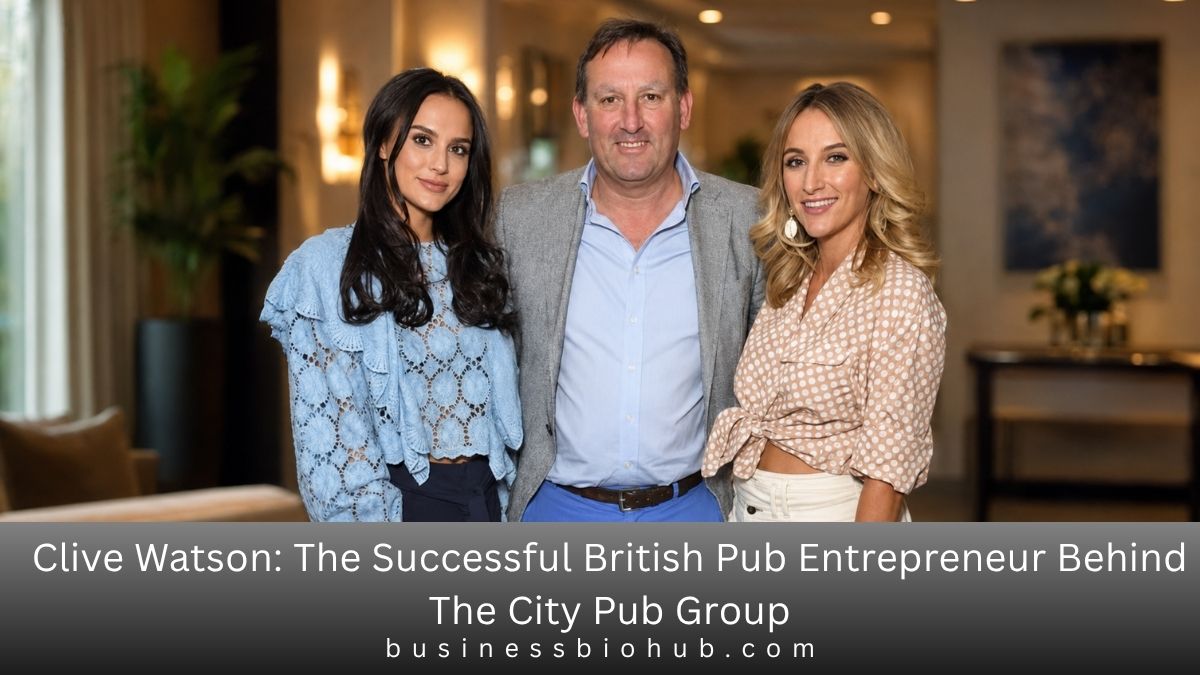
Clive Watson is a British entrepreneur, hospitality executive, and pub industry businessman best known for building and developing successful pub businesses across the United Kingdom. Over the course of his career, he has been associated with companies including Regent Inns, Tup Inns, the Capital Pub Company, and The City Pub Group. His experience in acquiring, developing, and operating distinctive pubs has helped establish his reputation as an important figure within the British hospitality sector. Outside the business world, Watson is also widely recognized as the father of former Made in Chelsea personalities Lucy Watson and Tiffany Watson. His ownership of The Phene, a well-known Chelsea pub, has further connected his professional career with the television and celebrity world. Although his daughters have received considerable public attention, Clive Watson has built an independent reputation through decades of work in pubs, hospitality management, investment, and entrepreneurship.
Who Is Clive Watson?
Clive Watson is best known as a British pub entrepreneur who has spent much of his career developing hospitality businesses. Rather than becoming known through a single establishment, Watson built his reputation by working with and creating several pub companies during different stages of his career. His approach has often centered on pubs that combine traditional British hospitality with attractive food, drink, design, and locations.
His professional background demonstrates a strong understanding of the commercial side of the pub industry. Running a successful hospitality company involves much more than serving food and drinks. Business owners must understand property, customer behavior, staffing, marketing, operational costs, licensing, branding, and changing consumer preferences. Watson’s long involvement in the industry indicates the depth of experience required to operate successfully in such a competitive market.
Clive Watson’s Early Career in Hospitality
Before becoming closely associated with The City Pub Group, Clive Watson gained extensive experience through earlier hospitality ventures. He was involved with Regent Inns, a company that operated pubs, bars, and other licensed venues. His work in the sector provided practical knowledge of how larger hospitality businesses operate and expand.
Watson later became involved in ventures including Tup Inns and the Capital Pub Company. These businesses contributed to his growing reputation as an entrepreneur capable of identifying promising pub locations and building businesses around them. His career reflects a pattern of developing hospitality concepts, improving individual venues, and creating pub groups with recognizable standards.
Building Experience Through Pub Businesses
Each stage of Clive Watson’s career deepened his understanding of the British pub market. The hospitality industry can be difficult because consumer tastes constantly change, while businesses must also manage property costs, wages, supplies, and competition. Successful pub entrepreneurs therefore need to combine financial discipline with an understanding of what customers actually want.
Watson’s experience across different pub companies allowed him to develop this balance. His later projects benefited from years of experience gained through earlier ventures, helping him become a recognizable hospitality entrepreneur and business leader.
Clive Watson and The City Pub Group
One of the most significant chapters in Clive Watson’s career has been his association with The City Pub Group. Watson founded the business as part of his continuing involvement in Britain’s pub and hospitality industry. The company’s strategy focused on operating pubs with distinctive identities rather than making every location feel identical.
This approach reflects an important trend within the modern British pub sector. Customers often look for venues that provide personality, quality food, comfortable surroundings, and a strong local atmosphere. A successful pub must therefore operate as both a commercial business and a social destination.
Clive Watson’s leadership experience helped shape the group’s development. His background in hospitality investment, pub operations, and business expansion gave him the ability to identify locations that could attract a reliable customer base.
Business Philosophy and Entrepreneurial Approach
Clive Watson’s professional journey shows the importance of entrepreneurship, strategic investment, hospitality management, and customer experience. Successful hospitality businesses depend heavily on location, but location alone does not guarantee success. The atmosphere of a venue, the quality of service, menu choices, pricing, and management all contribute to its long-term performance.
Watson’s career suggests an emphasis on creating individual pubs that can become established parts of their surrounding communities. This type of business model can help a venue build loyalty rather than relying solely on occasional visitors.
Clive Watson and The Phene in Chelsea
Clive Watson is also strongly associated with The Phene, a famous pub located in Chelsea, London. The venue has attracted attention for its fashionable location and its connection to Made in Chelsea. The pub became familiar to some television viewers after appearing on the reality series.
The Pheonix represents the type of premium neighborhood establishment that has played an important role in Watson’s hospitality career. Located in one of London’s best-known districts, it combines the character of a traditional pub with the atmosphere expected from an upmarket Chelsea venue.
Connection With Made in Chelsea
Clive Watson became more familiar to television audiences through his daughters’ involvement in Made in Chelsea. He has appeared in connection with the programme, while The Phene has also been associated with filming and the social world depicted by the series.
However, Watson’s public profile should not be viewed only through his family’s television connections. His hospitality career existed independently of reality television and was built through years of business activity.
Clive Watson’s Daughter Lucy Watson
Lucy Watson, born on February 20, 1991, became widely known after joining the cast of Made in Chelsea. Her outspoken personality and relationships on the program made her one of its recognizable stars during her time on the series.
After reality television, Lucy expanded her professional interests beyond entertainment. She became involved in writing, vegan advocacy, food-related projects, social media, and entrepreneurship. Her work helped her establish an identity outside the reality television program that first introduced her to a large audience.
Clive Watson and Tiffany Watson
Clive Watson is also the father of Tiffany Watson, another familiar personality connected with Made in Chelsea. Like her sister Lucy, Tiffany developed her own public profile through television and social media.
The Watson family’s relationship with the show brought additional public attention to Clive. Viewers interested in Lucy and Tiffany naturally became curious about their family background, particularly their father’s successful involvement in the hospitality industry.
Clive Watson’s Reputation in British Hospitality
The story of Clive Watson illustrates how sustained experience can shape an entrepreneurial career. Britain has a long and competitive pub culture, and creating profitable venues requires more than simply owning attractive properties. Operators must respond to economic pressures, changing drinking habits, food trends, tourism patterns, and customer expectations.
Watson has remained notable because his career has involved multiple hospitality ventures rather than a single short-lived project. His progression through different businesses demonstrates the importance of experience, adaptability, and commercial judgment.
Why Clive Watson Remains a Notable Business Figure
Clive Watson’s name continues to attract interest because he occupies an unusual position at the intersection of the British hospitality industry and popular culture. Business readers may recognize him for his pub ventures and involvement with City Pub Group, while entertainment audiences may know him for Lucy Watson, Tiffany Watson, and Made in Chelsea.
This combination has given him a broader public profile than many hospitality executives. Nevertheless, his core professional identity remains that of an entrepreneur who has spent years working within the British pub sector.
Conclusion
Clive Watson has built a substantial career as a British entrepreneur, pub operator, and hospitality executive. From his involvement with Regent Inns, Tup Inns, and the Capital Pub Company to founding The City Pub Group, his professional journey reflects extensive experience in developing and managing hospitality businesses. His ownership of Chelsea’s famous The Phene has further strengthened his association with the London pub scene.
Although many people first encounter his name through his daughters, Lucy Watson and Tiffany Watson, Clive Watson’s business achievements stand independently of their television careers. His long involvement in hospitality demonstrates how commercial knowledge, strong locations, customer experience, and entrepreneurial thinking can combine to create a lasting presence in Britain’s competitive pub industry.

Telehealth Psychiatric & Mental Health Care: Accessible Support for a Healthier Mind

West Palm Beach Detox: A Safe and Supportive Start to Lasting Recovery

Drug & Alcohol Rehab in West Palm Beach, FL: Start Your Journey to a Healthier Life

Drug & Alcohol Detox in South Carolina: A Complete Guide to Safe Recovery

Drug and Alcohol Detox Kentucky: Your Guide to Safe Recovery at Paducah Detox Center

Addiction Treatment in Plymouth: Understanding Addiction & Mental Health Treatment

Ohio Center for Adolescent Wellness: Your Guide to Teen Mental Health Services in Ohio

Massachusetts Center for Adolescent Wellness: Your Guide to Teen Mental Health & Addiction Treatment in MA

Foundation Diploma Singapore: A Practical Route Towards Higher Education

How to Stay Safe and Private While Using Public Wi-Fi

Paul Smalley Studied at University: The Education Behind His Global Football Career

Diamo Jewels Under the Lens: What Buyers Should Know Before Ordering in 2026

Billie Henry: Inside the Private Life Dawn French Fought to Keep Out of the Spotlight

Tina Esposito Advocate Health Bio: The Data Executive Shaping Analytics, AI and Patient Care

Kögel Trailer GmbH Manufacturing or Wholesale? The Business Model Behind the German Trailer Company

iPhone 17 Pro Max Phone Case: Best Protection Choices That Actually Matter in 2026

Pasonet Explained: Why This Digital Name Is More Complicated Than It First Appears

1upHealth Revenue Cycle Automation Partnerships: What’s Real, What’s Emerging, and Why 2027 Changes the Stakes

Industrial Entrepreneurs Memorandum: The 2026 IEM Rules Every Large Manufacturer Should Understand

EliseAI Head of Partnerships 2024–2026: The Leadership Shift Behind Its Expanding AI Partner Network
Telehealth Psychiatric & Mental Health Care: Accessible Support for a Healthier Mind
West Palm Beach Detox: A Safe and Supportive Start to Lasting Recovery
Drug & Alcohol Rehab in West Palm Beach, FL: Start Your Journey to a Healthier Life
Drug & Alcohol Detox in South Carolina: A Complete Guide to Safe Recovery
Drug and Alcohol Detox Kentucky: Your Guide to Safe Recovery at Paducah Detox Center
Addiction Treatment in Plymouth: Understanding Addiction & Mental Health Treatment
Ohio Center for Adolescent Wellness: Your Guide to Teen Mental Health Services in Ohio
Massachusetts Center for Adolescent Wellness: Your Guide to Teen Mental Health & Addiction Treatment in MA
Foundation Diploma Singapore: A Practical Route Towards Higher Education
How to Stay Safe and Private While Using Public Wi-Fi
-
 Celebrity4 months ago
Michael Scott Ryan: The Private Writer Known for His Connection to Jennifer Ehle
-
 Celebrity4 months ago
Benn George, The Private British Businessman Behind a Powerful Chapter in Tiffany Darwish’s Life
-
 Celebrity5 months ago
Daniel Guerard, The Private French Salon Owner Behind Lorraine Bracco’s Early Life Story
-
 Celebrity6 months ago
Caroline Hickman: The Private Life and Public Attention Around Steve Coogan’s Former Wife