
Technology
FASTWATER: Inside the European Project That Put Methanol-Powered Shipping to the Test

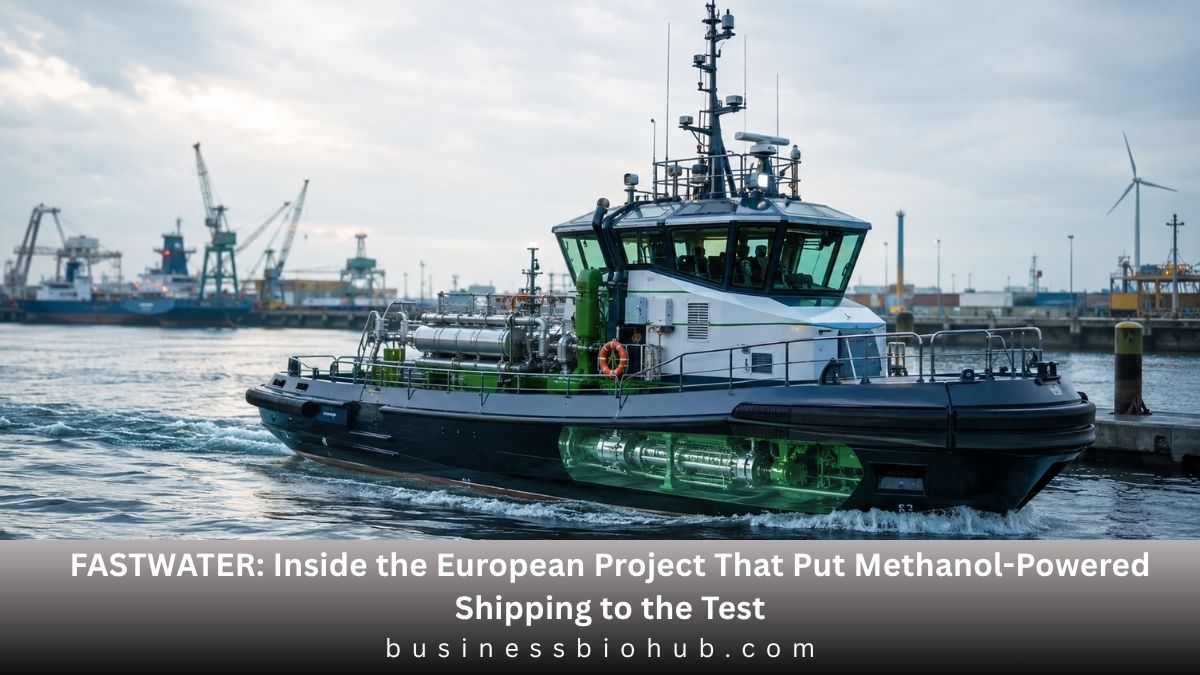
FASTWATER was a European research project designed to test whether methanol could become a practical, lower-emission marine fuel, particularly for existing vessels that cannot simply be replaced by new zero-emission ships. Coordinated by Lund University in Sweden and funded through the European Union’s Horizon 2020 program, the project ran from 1 June 2020 until 31 May 2024. Its work went well beyond laboratory experiments: engineers converted operating vessels, developed methanol engine technology, studied bunkering and safety rules, trained crews and examined whether the economics could make commercial sense. The project is now closed, but several of its demonstrators and technical results continue to matter as the shipping industry searches for alternatives to conventional fossil fuels.
What Was FASTWATER?
The name is an acronym for FAST Track to Clean and Carbon-Neutral WATERborne Transport through Gradual Introduction of Methanol Fuel.
Its central idea was relatively straightforward. Instead of assuming that global shipping could rapidly abandon millions of existing engines and vessels, FASTWATER investigated whether ships could be retrofitted to operate on methanol, wholly or in part.
The European Commission records the project’s total cost at approximately €6.36 million, of which just under €5 million was funded by the EU. Lund University coordinated a consortium involving organizations in Belgium, Germany, Greece, Sweden and the United Kingdom. Participants represented universities and research organizations, as well as shipyards, engine developers, vessel operators, a classification society, a port, and specialists in fuel and marine technology.
Its main goals included:
- developing scalable methanol retrofit systems covering roughly 200 kW to 4 MW
- demonstrating methanol propulsion aboard working vessels
- developing medium- and high-speed methanol engines
- examining renewable-methanol supply and bunkering
- improving safety and regulatory knowledge
- developing training for crews and shore personnel
- assessing environmental performance and commercial viability
That breadth is important. Changing a ship’s fuel is not simply an engine problem.
Why Methanol?
Shipping presents an unusually difficult decarbonization problem.
Batteries work well in many road-transport applications, but their weight, volume and energy density become significant constraints as vessel size, range and operating hours increase. FASTWATER coordinator Sebastian Verhelst, an engineering professor at Lund University and Ghent University, described shipping as one of the sectors that are difficult to electrify directly.
Methanol has several practical attractions. It is liquid under ordinary conditions, making storage and handling considerably more familiar to the maritime sector than some gaseous alternative fuels. Existing internal-combustion technology can also be adapted.
However, an essential distinction often disappears in simplified discussions of “green shipping.”
Methanol itself is not automatically carbon-neutral.
Traditional methanol can be produced from fossil feedstocks such as natural gas or coal. The strongest climate benefits require lower-carbon forms such as biomethanol made from sustainable biomass or waste, or e-methanol produced using renewable hydrogen and captured carbon dioxide. The European Commission’s Horizon coverage of FASTWATER explicitly identifies limited green-methanol supply as a major barrier to widespread adoption.
That distinction changes how FASTWATER’s achievements should be understood. The project demonstrated technology capable of using methanol; the ultimate climate impact depends heavily on how that methanol is produced.
The Swedish Pilot Boat Became an Early Test
One of the project’s most revealing demonstrations took place in Sweden.
The Swedish Maritime Administration’s Pilot 120 SE, based at Oxelösund, was converted from conventional diesel propulsion as part of FASTWATER. The vessel was launched in its converted form in December 2021 and later entered regular pilotage operation.
The project used an engine based on the Scania DI16 platform, adapted for methanol operation. FASTWATER documentation describes a fuel mixture containing 97% methanol and 3% ignition improver, together with additional technical measures required for reliable operation.
The conversion also illustrates why alternative marine fuels cannot be judged only by engine performance.
A methanol vessel needs appropriate tanks, piping, detection equipment and safety procedures. Horizon’s later examination of FASTWATER noted that the Swedish boat required a double-skinned methanol tank, double-walled piping and leak and heat detection systems.
The people operating it had to change, too.
Crew members accustomed to decades of diesel experience needed new training for a fuel with different characteristics and hazards.
According to the project’s final reporting, the pilot boat operated for more than two years without major operational problems. FASTWATER also reported successful use of green methanol and described the vessel as evidence that a relatively small working ship could move beyond a short demonstration and into routine service.
Methatug Became FASTWATER’s Headline Achievement
The project’s most visible result arrived in Antwerp.
On 14 May 2024, the Port of Antwerp-Bruges unveiled Methatug, presented as the world’s first methanol-powered tugboat.
Rather than building an entirely new vessel, engineers converted an existing tug. They adapted its engines for dual-fuel operation, allowing the vessel to use methanol alongside conventional fuel.
The vessel can carry approximately 12,000 liters of methanol, described by Horizon Magazine as sufficient for around two weeks of operation, while retaining about 50 tonnes of bollard pull—the measure of towing force that matters to a working harbor tug.
This was significant because tugboats are demanding machines. They require substantial power, frequently operate under heavy loads, and cannot sacrifice reliability merely to demonstrate a new environmental technology.
European Commission material says that when renewable methanol is used, the redesigned vessel can produce up to 80% lower greenhouse gas emissions and around 80% less particulate pollution, alongside major reductions in sulfur oxide and nitrogen oxide emissions. Those figures should be read as technology- and fuel-dependent potential rather than a universal emissions guarantee for every methanol vessel.
FASTWATER’s own lifecycle assessment offered an even more nuanced picture. Its final reporting calculated reductions of up to 82.5% for the pilot boat, while the tugboat assessment produced 34.7%. Economics were also highly sensitive to methanol prices, energy costs, taxes and the timing of conversions.
That gap between headline potential and project-specific lifecycle results is one of FASTWATER’s most useful findings.
Greece and Germany Expanded the Experiment
FASTWATER was not built around one successful vessel.
A Greek coastguard vessel received a converted high-speed dual-fuel methanol engine. According to final EU reporting, the engine was installed and completed a sea trial.
In Germany, the consortium took a different approach.
Instead of a full physical conversion, specialists developed a detailed technical conversion concept for a river cruise vessel, including risk assessment and implementation planning. The work concluded that conversion to methanol was technically feasible.
The river-cruise work also forced researchers to address bunkering under unusually sensitive operating conditions. FASTWATER studied ship-to-ship methanol refueling while considering a scenario in which passengers could remain aboard, subject to safety restrictions.
This matters commercially. A fuel technology that requires vessels to abandon normal operating patterns every time they refuel can quickly become unattractive regardless of its engineering merits.
Safety Was as Important as Engine Design
Methanol comes with its own risks.
It is toxic, has different combustion characteristics from diesel, and requires purpose-designed detection, containment, and fire-safety measures. FASTWATER researchers encountered situations in which existing rules were not sufficiently mature for the task at hand.
Verhelst later said the team repeatedly encountered regulatory obstacles while developing Methatug because standards had not fully caught up with the technology.
Instead of treating regulation as something outside the research program, FASTWATER incorporated it into the program.
The consortium produced public work covering methanol storage, bunkering, fuel quality, ship-to-ship refueling, crew training and regulatory recommendations. Final project reporting states that its work contributed to regulations governing methanol storage and engine use aboard inland-waterway vessels.
That may prove almost as consequential as the boats themselves.
Did FASTWATER Prove Methanol Is the Future of Shipping?
Not exactly.
It demonstrated something narrower—and arguably more valuable.
FASTWATER showed that methanol propulsion can be engineered into several types of existing vessels, including operational craft rather than laboratory prototypes. It demonstrated engines, fuel systems, bunkering arrangements, crew procedures and conversion strategies while exposing the economic and regulatory complications that remain.
The project did not prove that every ship should run on methanol.
Nor did it solve the shortage and cost of renewable methanol.
By August 2025, more than a year after the formal project ended, Horizon Magazine still identified limited green-methanol supply as a major obstacle. Conventional fossil-derived methanol cannot deliver the same lifecycle climate advantage, so dramatically expanding marine methanol without simultaneously expanding renewable production would weaken the environmental case.
Economics remain another constraint. FASTWATER found that fuel prices, taxes and future energy costs could determine whether individual conversions become financially attractive. Verified project-wide commercial revenue resulting from the technology has not been publicly established as a single consolidated figure. CORDIS instead records commercialization expectations and technology-readiness plans for individual consortium partners.
FASTWATER’s Legacy
FASTWATER formally ended on 31 May 2024, but describing it simply as a completed research program understates what it produced.
Its strongest contribution was evidence.
A Swedish pilot boat operated on methanol. A Greek coastguard vessel underwent a high-speed dual-fuel conversion and sea trial. Engineers developed a technically viable concept for converting a German river-cruise vessel. In Antwerp, an existing harbor tug became Methatug.
The project also demonstrated that decarbonizing shipping involves far more than replacing diesel with another liquid. Fuel production, engine design, storage, bunkering, regulation, crew competence, vessel economics and lifecycle emissions all have to work together.
That makes FASTWATER less a story about one “fuel of the future” than a case study in how difficult the energy transition becomes once promising technology leaves the laboratory.
Methanol emerged from the project as a credible option—particularly where direct electrification is impractical, and existing vessels need to be retained—but not as a frictionless solution.
The technology can work.
The larger unanswered question is whether the world can produce enough genuinely low-carbon methanol at competitive prices, with the infrastructure needed to make the technology matter at maritime scale.

Pasonet Explained: Why This Digital Name Is More Complicated Than It First Appears

1upHealth Revenue Cycle Automation Partnerships: What’s Real, What’s Emerging, and Why 2027 Changes the Stakes

Kögel Trailer GmbH Manufacturing or Wholesale? The Business Model Behind the German Trailer Company

Paul Smalley Studied at University: The Education Behind His Global Football Career

Fawn Radmanich Marketing Strategy Experience: Why Her 25-Year A/E/C Career Centers on Winning Complex Work

Emily Seitz Pawlak at TriHealth: The Revenue Cycle Executive Who Pushed Automation Beyond Billing

Jadene Elden, AI Automation and RCM at Southcoast Health: What the Public Record Actually Shows

Tina Esposito Advocate Health Bio: The Data Executive Shaping Analytics, AI and Patient Care

Michael Roe Operating Partner NexPhase: The Verified Record Behind the Name — and the michaelroe.net Question

Briana Biagi Banner Health Fallon NV Staff Directory: What Current Records Actually Show

Astrid Hannah: The Inspiring Story of John Hannah’s Daughter and Her Life Beyond Competitive Swimming

Best Pasticho Venezuelan Lasagna Near Me: A Complete Guide to Finding This Rich Latin Comfort Food
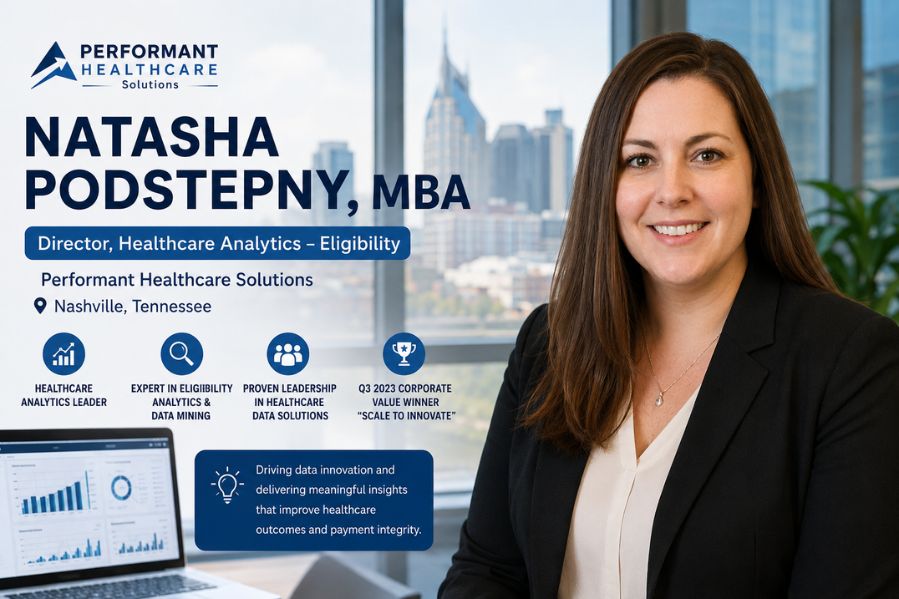
Natasha Podstepny LinkedIn Performant Healthcare Nashville: Inside Her Professional Journey

John Minoli: The Private Life and Career of Sheena Easton’s Fourth Husband
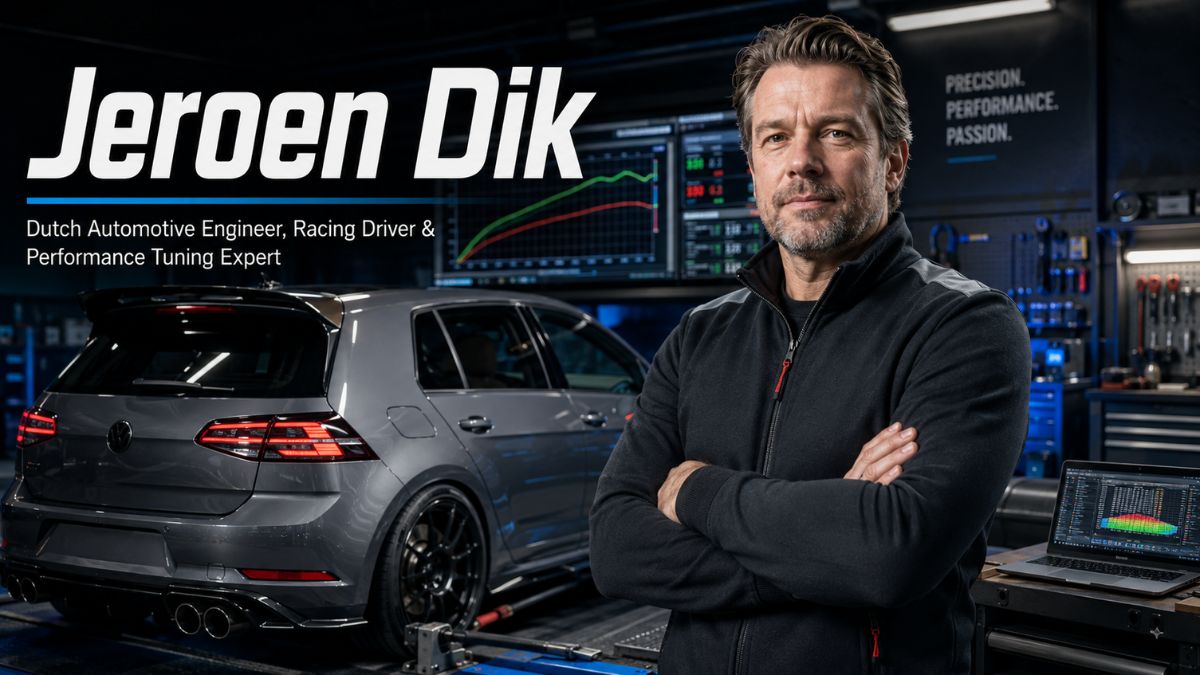
Jeroen Dik: How He Built a Powerful Legacy in Performance Tuning and Motorsport

Lihnk Explained: The Mysterious Search Term, Possible Meanings, and What Users Should Know

Colitre Explained: The Powerful Story Behind a Rare Name and Its Modern Identity
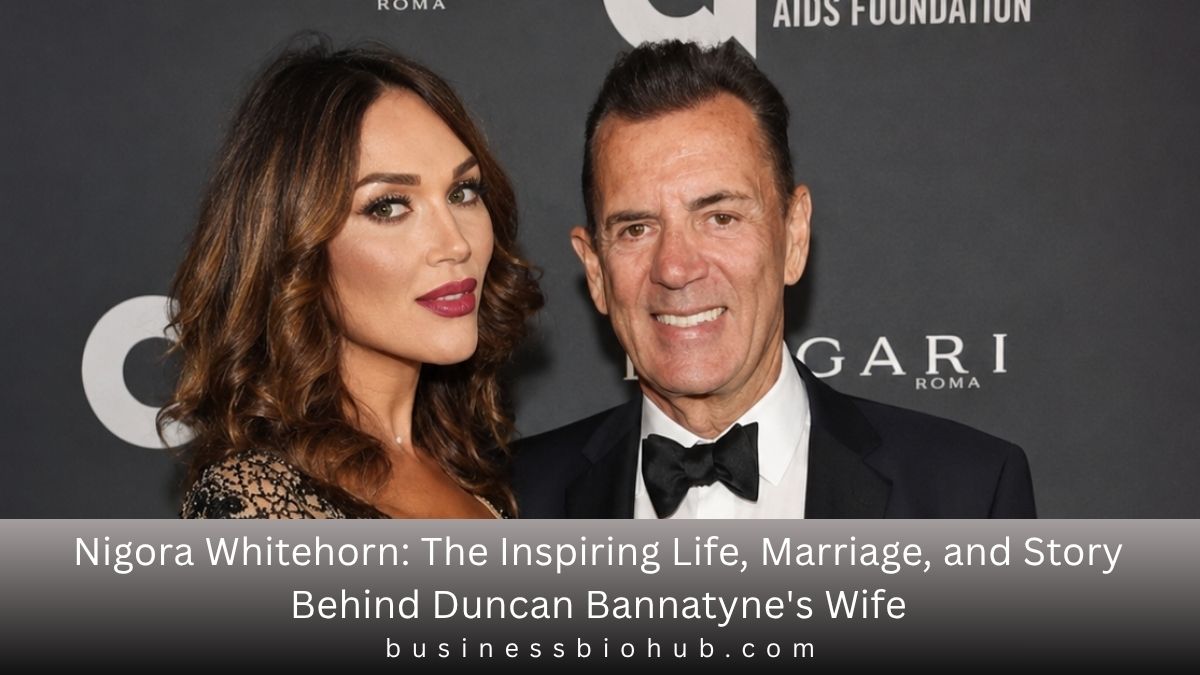
Nigora Whitehorn: The Inspiring Life, Marriage, and Story Behind Duncan Bannatyne’s Wife
Kemberly Blackledge LinkedIn Nashville General Hospital Chief Revenue Officer: How She Built a Powerful Healthcare Finance Career

Elegant Florals Emily Davis Business Description: A Refined Look at Floral Art, Event Design, and Botanical Creativity
Pasonet Explained: Why This Digital Name Is More Complicated Than It First Appears
1upHealth Revenue Cycle Automation Partnerships: What’s Real, What’s Emerging, and Why 2027 Changes the Stakes
Kögel Trailer GmbH Manufacturing or Wholesale? The Business Model Behind the German Trailer Company
Paul Smalley Studied at University: The Education Behind His Global Football Career
Fawn Radmanich Marketing Strategy Experience: Why Her 25-Year A/E/C Career Centers on Winning Complex Work
Emily Seitz Pawlak at TriHealth: The Revenue Cycle Executive Who Pushed Automation Beyond Billing
Jadene Elden, AI Automation and RCM at Southcoast Health: What the Public Record Actually Shows
Tina Esposito Advocate Health Bio: The Data Executive Shaping Analytics, AI and Patient Care
Michael Roe Operating Partner NexPhase: The Verified Record Behind the Name — and the michaelroe.net Question
Briana Biagi Banner Health Fallon NV Staff Directory: What Current Records Actually Show
-
 Celebrity4 months ago
Michael Scott Ryan: The Private Writer Known for His Connection to Jennifer Ehle
-
 Celebrity4 months ago
Daniel Guerard, The Private French Salon Owner Behind Lorraine Bracco’s Early Life Story
-
 Celebrity5 months ago
Caroline Hickman: The Private Life and Public Attention Around Steve Coogan’s Former Wife
-
 Celebrity3 months ago
Benn George, The Private British Businessman Behind a Powerful Chapter in Tiffany Darwish’s Life