
Blog
Joshua A. Block: The Influential Civil Rights Attorney Behind Major LGBTQ Legal Battles

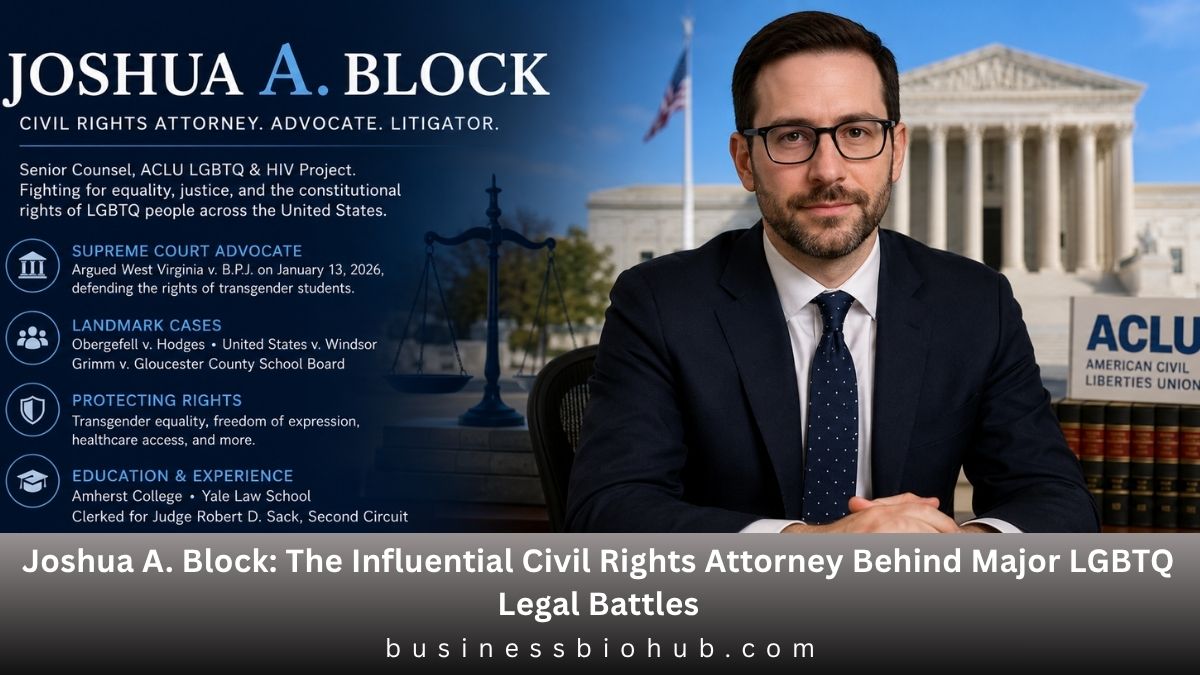
Joshua A. Block is an American civil rights attorney whose legal career has become closely associated with major LGBTQ rights cases, constitutional litigation, and debates surrounding equality under federal law. As Senior Counsel with the American Civil Liberties Union’s LGBTQ & HIV Project, Block has participated in cases involving marriage equality, transgender rights, freedom of expression, employment discrimination, healthcare access, military service, and Title IX. His work has taken him from federal district and appellate courts to the United States Supreme Court, where he has participated in litigation addressing some of the most consequential civil-rights questions of recent decades. Unlike public figures who become widely known through entertainment or social media, Block has built his public profile largely through courtroom advocacy and specialized legal work.
Who Is Joshua A. Block?
Joshua A. Block is best known as a civil rights lawyer with the American Civil Liberties Union (ACLU). His professional focus is particularly on LGBTQ constitutional and civil rights litigation. Within this field, he has represented individuals challenging government policies and institutional rules they argue violate federal constitutional or statutory protections. Over the course of his career, Block has been associated with litigation concerning same-sex marriage, transgender students, transgender military personnel, discrimination, censorship, religious exemptions, healthcare, and freedom of expression. This range of work has made him an important legal figure within the ACLU’s broader civil-rights advocacy, even though he maintains a considerably lower public profile than many politicians, celebrities, or media personalities involved in the issues surrounding his cases.
It is important to distinguish Joshua A. Block, the attorney, from similarly named people. He should not be confused with Joshua Block, the internet personality widely known online as “World of T-Shirts,” nor with Joshua Bloch, the software engineer and author of Effective Java. The similarity between these names can create confusion in online searches, but Joshua A. Block’s professional identity is firmly rooted in law, constitutional litigation, and civil rights.
Education and Legal Background
Block developed a strong academic foundation before entering high-profile civil-rights litigation. He graduated from Amherst College and later attended Yale Law School, one of the United States’ most prominent law schools. His legal education prepared him for work involving complicated constitutional questions, federal statutes, and appellate advocacy. After law school, Block clerked for Judge Robert D. Sack of the United States Court of Appeals for the Second Circuit. Judicial clerkships are highly valued in the American legal profession because they provide young attorneys with direct exposure to how appellate judges evaluate briefs, legal precedents, statutory interpretation, and oral arguments.
Block’s connection with Yale later extended beyond his time as a student. He has served as a Visiting Lecturer in Law at Yale Law School, where he taught an LGBT Rights Litigation Seminar. That teaching role reflects another aspect of his professional career: his experience is not limited to representing clients in active litigation but also includes discussing and teaching the legal strategies, doctrines, and historical developments that shape civil-rights cases.
Joshua A. Block and the ACLU
Much of Joshua A. Block’s public career has been connected with the ACLU LGBTQ & HIV Project. The project addresses legal disputes involving discrimination and civil liberties affecting LGBTQ people and people living with HIV. As Senior Counsel, Block’s work has spanned several areas rather than focusing on a single type of case.
His litigation record includes disputes involving employment discrimination, government restrictions, transgender healthcare, military service, censorship of LGBTQ-related materials, and attempts to prohibit certain forms of LGBTQ expression. He has also worked on legal challenges concerning restrictions on drag performances and the removal or censorship of LGBTQ-related library materials. These cases often involve complex interactions among constitutional rights, federal civil rights statutes, state policies, and government authority, requiring courts to determine how existing laws apply to changing social and legal circumstances.
Block’s career therefore shows how civil-rights litigation can operate beyond a single landmark case. Major Supreme Court disputes receive significant public attention. Still, civil-rights lawyers also spend years handling cases in lower federal courts, responding to changing regulations, developing legal arguments, and representing individuals whose disputes may eventually influence broader legal precedent.
Role in Obergefell v. Hodges and United States v. Windsor
Among the most historically significant cases associated with Joshua A. Block are Obergefell v. Hodges and United States v. Windsor, two Supreme Court cases that played major roles in developing same-sex marriage rights in the United States. Block was on the legal teams involved in these landmark disputes.
United States v. Windsor, decided in 2013, challenged a provision of the federal Defense of Marriage Act that prevented the federal government from recognizing certain same-sex marriages legally recognized by states. The Supreme Court struck down the challenged federal provision. Two years later, Obergefell v. Hodges resulted in the Supreme Court recognizing a constitutional right for same-sex couples to marry nationwide.
Block was also involved in litigation seeking marriage rights for same-sex couples in states including Kansas, Missouri, Utah and Virginia. His participation in these disputes placed him within a broader network of lawyers and civil-rights organizations whose litigation helped reshape American marriage law during a period of rapid legal change.
Grimm v. Gloucester County School Board
Another defining area of Block’s career has been transgender student rights. He served as lead counsel in Grimm v. Gloucester County School Board, a major case involving transgender student Gavin Grimm and access to school restroom facilities.
The dispute became nationally significant because it raised questions about the application of Title IX, the federal law prohibiting sex discrimination in federally funded education programs. The litigation eventually produced an important federal appellate ruling recognizing protections for transgender students in the school context. The case became part of a larger national legal debate over how federal sex-discrimination protections apply to gender identity.
For Block, Grimm was particularly notable because it combined constitutional arguments with statutory interpretation. It also showed the long duration of major civil-rights litigation: cases like this can move through different stages of federal court proceedings for years before producing a lasting appellate result.
Transgender Military Service Litigation
Joshua A. Block also became prominently involved in litigation concerning transgender people serving in the United States military. During President Donald Trump’s first administration, the ACLU challenged restrictions affecting transgender military personnel through litigation, including Stone v. Trump.
The case involved service members who argued that policies restricting transgender military service violated constitutional protections. Block was one of the ACLU attorneys who challenged the policy and publicly addressed its legal implications. Federal courts issued a series of decisions during the dispute, while the federal government continued defending its policies through the appellate process.
This period of Block’s career received unusual public exposure through The Fight, a documentary that follows ACLU attorneys working on major civil rights cases during the Trump administration. Block and fellow attorney Chase Strangio were featured for their involvement in transgender military-service litigation. The documentary gave audiences a view of the preparation, pressure, and personal demands behind major constitutional cases that the public normally sees only through court decisions and news reports.
Joshua A. Block at the Supreme Court in 2026
Block reached another major point in his appellate career when he appeared before the U.S. Supreme Court on January 13, 2026, representing the respondent in West Virginia v. B.P.J. The dispute centered on West Virginia’s restrictions concerning participation by transgender students in female school sports and raised questions under Title IX and the Equal Protection Clause.
On June 30, 2026, the Supreme Court reversed the lower-court judgment. The majority concluded that Title IX permits schools to maintain separate male and female athletic teams defined by biological sex and held that the challenged West Virginia and Idaho policies did not violate the Equal Protection Clause in the circumstances before the Court.
The outcome went against the position Block argued for his client. Still, the case nevertheless represented an important professional milestone: personally presenting an argument before the Supreme Court of the United States is one of the most significant responsibilities available to an appellate attorney. It also placed Block at the center of one of the country’s most closely watched contemporary debates over education, athletics, federal civil rights law, and transgender rights.
Freedom of Speech and Expression Work
Although Block is particularly associated with transgender-rights litigation, his work extends into freedom of speech and expression. He has worked on ACLU challenges involving censorship of LGBTQ-related library materials and government restrictions affecting drag performances.
These cases can involve legal questions distinct from those in discrimination cases. Rather than focusing exclusively on equal protection or Title IX, disputes involving books, performances and public expression may raise First Amendment questions about government censorship and restrictions on speech.
This broader docket demonstrates that Block’s career cannot be reduced to a single issue. His professional work sits at the intersection of multiple constitutional and statutory protections, including equality, expression, education and government authority.
Professional Recognition and Teaching
Block’s work has also received professional recognition. In 2012, he was named among the “Best LGBT Lawyers Under 40” by the LGBT Bar Association. Such recognition came during a period when several major LGBTQ legal issues were moving rapidly through American courts.
His experience as a visiting lecturer at Yale Law School adds an academic dimension to his career. Teaching litigation gives practicing lawyers an opportunity to explain not only established legal doctrine but also practical questions such as selecting cases, developing a record, choosing arguments, preparing appellate briefs, and considering how one judgment may influence future disputes.
For students interested in constitutional and civil-rights law, experienced litigators such as Block can provide insight into the gap between studying landmark decisions and actually constructing the cases that eventually produce them.
Why Joshua A. Block Is a Significant Legal Figure
The significance of Joshua A. Block comes primarily from the breadth and consequence of the cases in which he has participated. His legal career spans some of the most prominent LGBTQ civil-rights disputes of the twenty-first century, ranging from marriage equality and transgender student protections to military service, healthcare, speech and school athletics.
At the same time, understanding his career requires recognizing that attorneys do not personally determine litigation outcomes. Courts interpret the law, and lawyers advocate for their clients within that system. Some cases produce victories, others produce defeats, and legal interpretations can change as cases move through different courts or as the judiciary’s composition and reasoning evolve.
Block’s record therefore provides a useful example of long-term civil-rights advocacy through litigation. His influence is best assessed through the legal arguments he developed, the clients he represented, and his involvement in cases that contributed to major national discussions about constitutional rights.
Personal Life and Public Profile
Compared with his professional career, relatively little verified information about Joshua A. Block’s private life is prominently available through authoritative public sources. Most reliable biographical material focuses on his education, legal career, and litigation rather than on details such as relationships, family life, residence, or personal finances.
That distinction is important when writing responsibly about a lawyer whose public significance comes from professional achievements rather than celebrity status. Unsupported claims about his age, marital status, family, net worth, or other private details should not be presented as facts simply because readers may search for them online. A reliable profile should prioritize information that is genuinely documented and relevant to understanding his career.
Conclusion
Joshua A. Block has established a substantial career as a civil rights attorney and Senior Counsel with the ACLU’s LGBTQ & HIV Project. Educated at Amherst College and Yale Law School and trained as an appellate clerk to Judge Robert D. Sack, Block has participated in litigation involving some of the most important LGBTQ legal questions of his generation.
His work has included involvement in Obergefell v. Hodges, United States v. Windsor, Grimm v. Gloucester County School Board, transgender military service litigation, freedom-of-expression cases, and, most recently, his 2026 Supreme Court argument in West Virginia v. B.P.J. Although individual court outcomes have varied, his career demonstrates sustained involvement in high-level constitutional and civil-rights advocacy.
For readers researching Joshua A. Block, the central fact is clear: he is not an internet personality or software engineer with a similar name, but an experienced American civil-rights lawyer whose professional record is closely tied to major LGBTQ rights litigation in federal courts and the U.S. Supreme Court.

Pasonet Explained: Why This Digital Name Is More Complicated Than It First Appears

1upHealth Revenue Cycle Automation Partnerships: What’s Real, What’s Emerging, and Why 2027 Changes the Stakes

Kögel Trailer GmbH Manufacturing or Wholesale? The Business Model Behind the German Trailer Company

Paul Smalley Studied at University: The Education Behind His Global Football Career

Fawn Radmanich Marketing Strategy Experience: Why Her 25-Year A/E/C Career Centers on Winning Complex Work

Emily Seitz Pawlak at TriHealth: The Revenue Cycle Executive Who Pushed Automation Beyond Billing

Jadene Elden, AI Automation and RCM at Southcoast Health: What the Public Record Actually Shows

Tina Esposito Advocate Health Bio: The Data Executive Shaping Analytics, AI and Patient Care

Michael Roe Operating Partner NexPhase: The Verified Record Behind the Name — and the michaelroe.net Question

Briana Biagi Banner Health Fallon NV Staff Directory: What Current Records Actually Show

Astrid Hannah: The Inspiring Story of John Hannah’s Daughter and Her Life Beyond Competitive Swimming

Best Pasticho Venezuelan Lasagna Near Me: A Complete Guide to Finding This Rich Latin Comfort Food
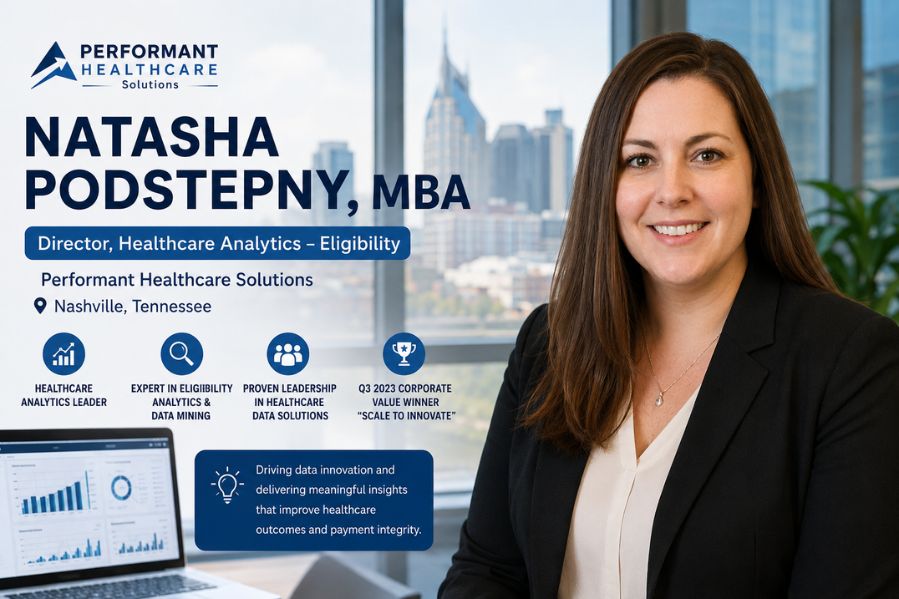
Natasha Podstepny LinkedIn Performant Healthcare Nashville: Inside Her Professional Journey

John Minoli: The Private Life and Career of Sheena Easton’s Fourth Husband

Jeroen Dik: How He Built a Powerful Legacy in Performance Tuning and Motorsport
Lihnk Explained: The Mysterious Search Term, Possible Meanings, and What Users Should Know
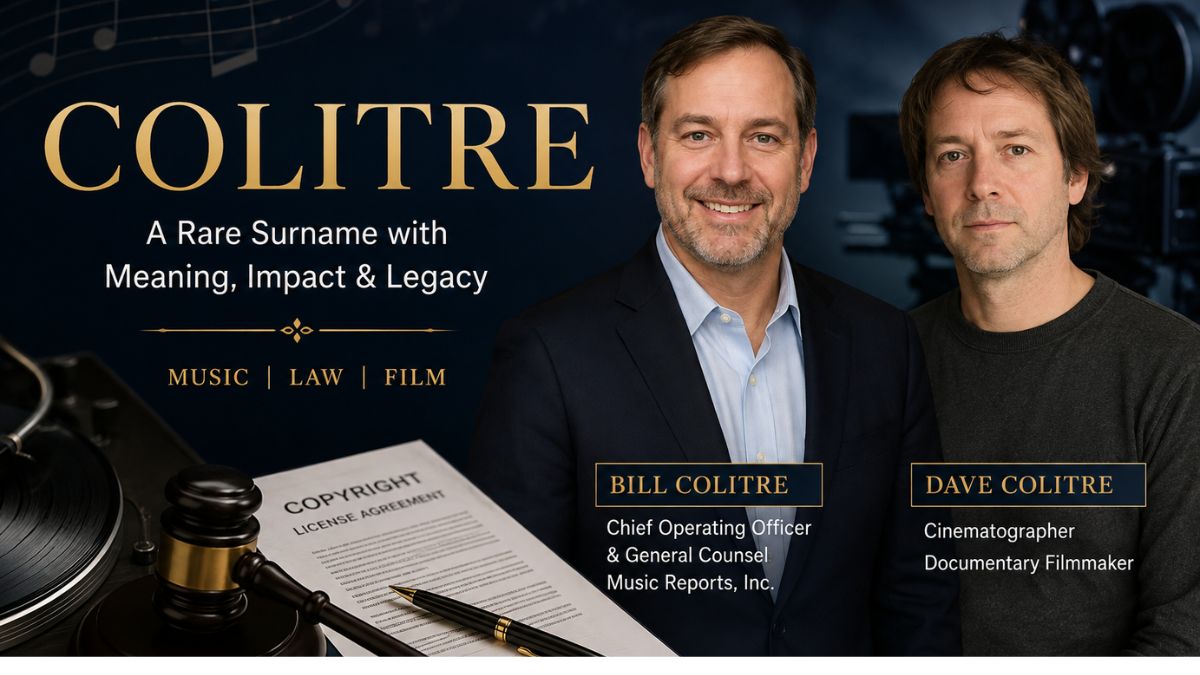
Colitre Explained: The Powerful Story Behind a Rare Name and Its Modern Identity
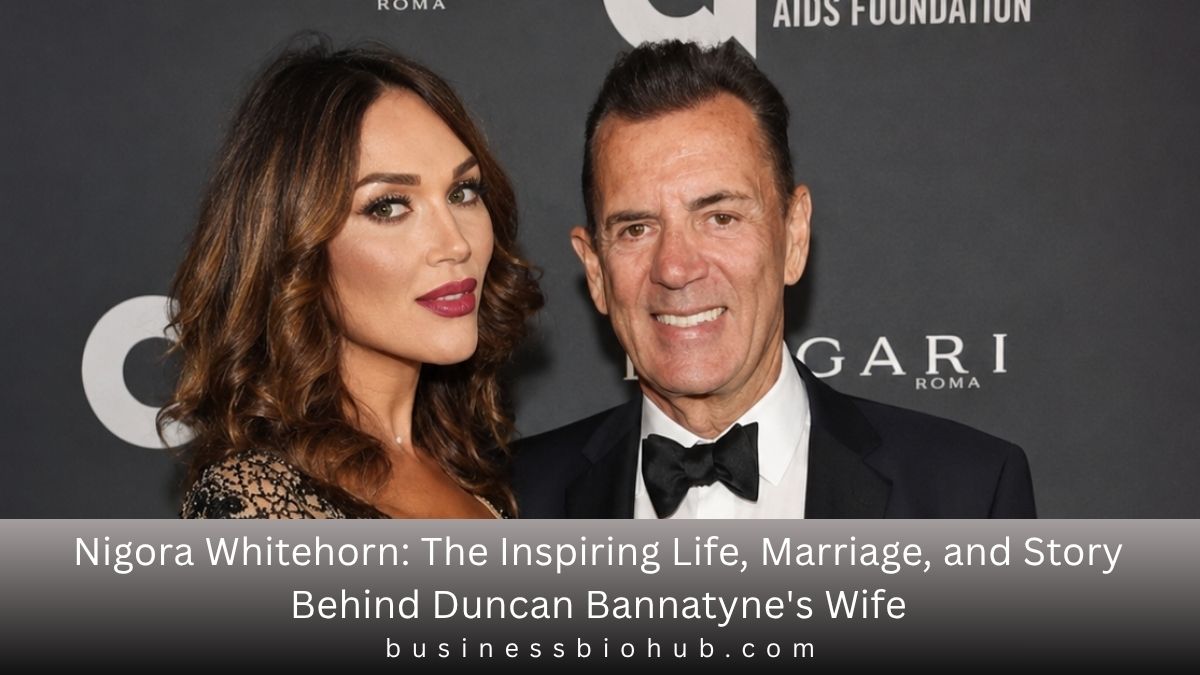
Nigora Whitehorn: The Inspiring Life, Marriage, and Story Behind Duncan Bannatyne’s Wife
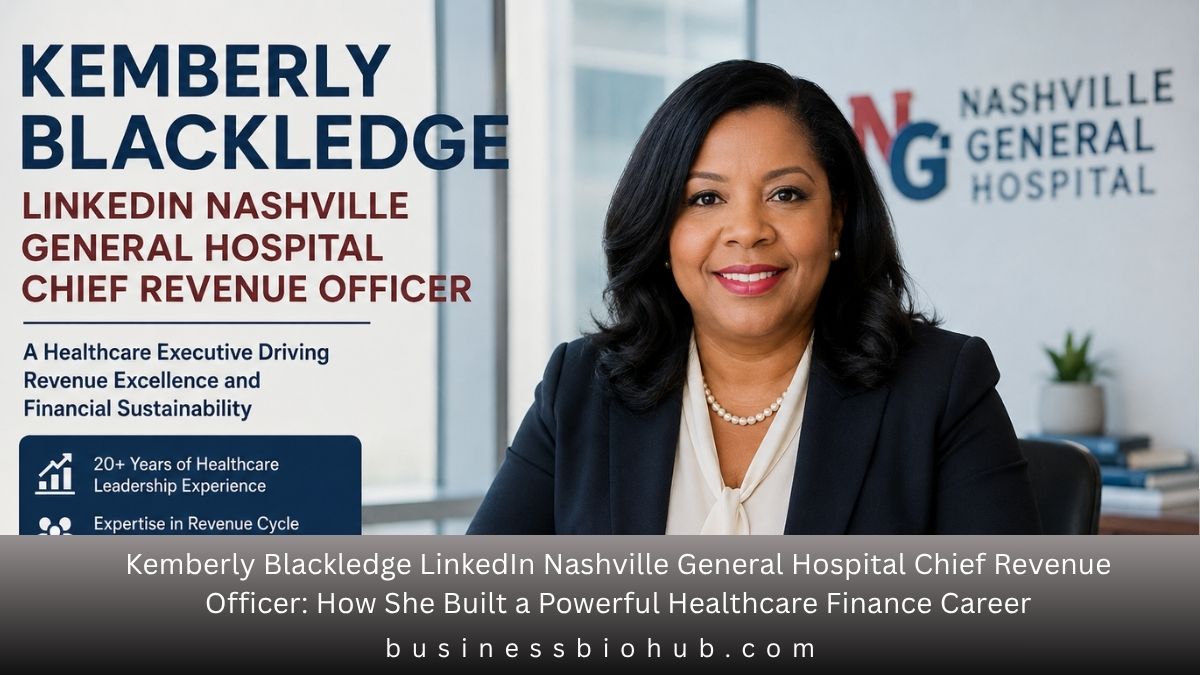
Kemberly Blackledge LinkedIn Nashville General Hospital Chief Revenue Officer: How She Built a Powerful Healthcare Finance Career

Elegant Florals Emily Davis Business Description: A Refined Look at Floral Art, Event Design, and Botanical Creativity
Pasonet Explained: Why This Digital Name Is More Complicated Than It First Appears
1upHealth Revenue Cycle Automation Partnerships: What’s Real, What’s Emerging, and Why 2027 Changes the Stakes
Kögel Trailer GmbH Manufacturing or Wholesale? The Business Model Behind the German Trailer Company
Paul Smalley Studied at University: The Education Behind His Global Football Career
Fawn Radmanich Marketing Strategy Experience: Why Her 25-Year A/E/C Career Centers on Winning Complex Work
Emily Seitz Pawlak at TriHealth: The Revenue Cycle Executive Who Pushed Automation Beyond Billing
Jadene Elden, AI Automation and RCM at Southcoast Health: What the Public Record Actually Shows
Tina Esposito Advocate Health Bio: The Data Executive Shaping Analytics, AI and Patient Care
Michael Roe Operating Partner NexPhase: The Verified Record Behind the Name — and the michaelroe.net Question
Briana Biagi Banner Health Fallon NV Staff Directory: What Current Records Actually Show
-
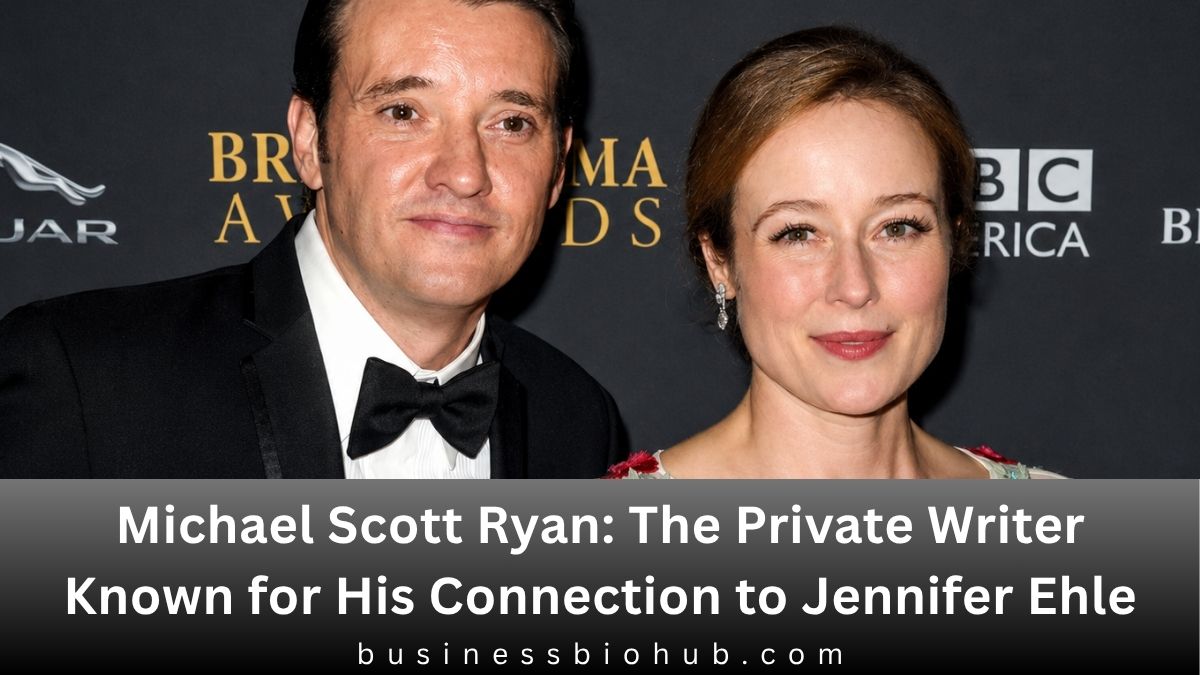 Celebrity4 months ago
Michael Scott Ryan: The Private Writer Known for His Connection to Jennifer Ehle
-
 Celebrity4 months ago
Daniel Guerard, The Private French Salon Owner Behind Lorraine Bracco’s Early Life Story
-
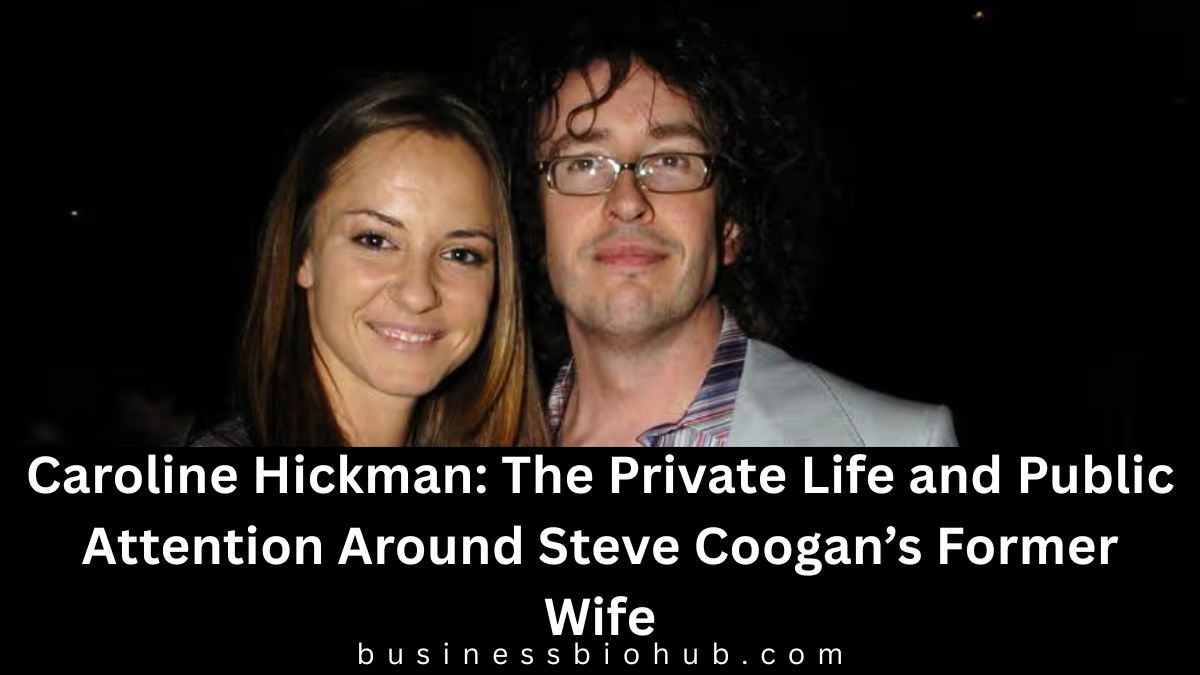 Celebrity5 months ago
Caroline Hickman: The Private Life and Public Attention Around Steve Coogan’s Former Wife
-
 Celebrity3 months ago
Benn George, The Private British Businessman Behind a Powerful Chapter in Tiffany Darwish’s Life