Travel
Lucipara: Indonesia’s Remote Island Paradise Hidden in the Banda Sea

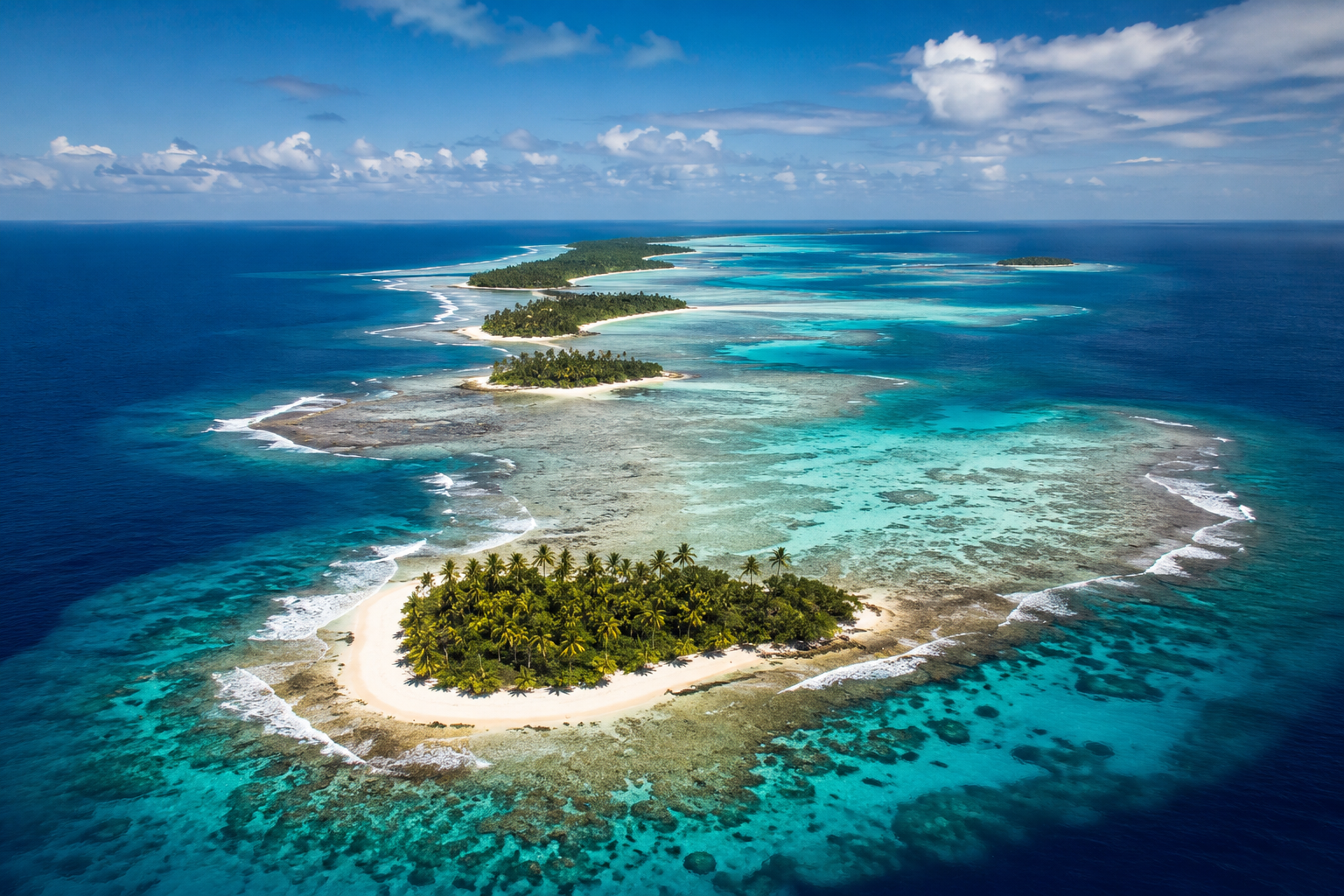
The name Lucipara immediately suggests mystery, isolation, and adventure, but the islands themselves are what make that meaning clear. Most commonly associated with the Lucipara Islands of Indonesia, the term refers to a remote group of coral islands and atolls located in the Banda Sea within the Maluku archipelago. Also known locally as Pulau-pulau Maisel, these islands remain among the least disturbed marine environments in eastern Indonesia. Their extraordinary isolation has helped preserve coral reefs, marine wildlife, and coastal ecosystems that are increasingly difficult to find elsewhere.
Lucipara is not simply another tropical island destination. Given its remote setting, geographical position, limited accessibility, historical importance, marine biodiversity, and conservation value, it is an unusual part of Indonesia’s natural heritage. The surrounding waters attract adventurous sailors, divers, anglers, researchers, and conservation specialists who want to experience an environment that remains far removed from conventional tourism.
Where Are the Lucipara Islands Located?
The Lucipara Islands lie in the Banda Sea, south of Ambon in Indonesia’s Maluku region. Their remote location is one of their defining characteristics. Unlike famous Indonesian destinations that can be reached by regular flights, ferries, and tourist boats, Lucipara requires careful planning and a lengthy sea voyage.
Open ocean, coral reefs, shallow lagoons, and deep marine environments surround the islands. This geographical isolation, described above, has shaped both their natural character and their human history. There are no major towns, resorts, airports, or developed tourist centers across the island group.
Why Lucipara Remains So Isolated
Weather and sea conditions strongly influence access to Lucipara. The Banda Sea can experience powerful seasonal winds and challenging ocean conditions. Boats therefore need to select suitable travel periods, especially when crossing long stretches of exposed water.
The difficulty of reaching the islands has unintentionally protected them from large-scale development. As a result, many destinations around the world have experienced rapid construction, pollution, overfishing, and heavy visitor pressure. At the same time, Lucipara has remained comparatively untouched because its remoteness naturally limits the number of people who can visit.
A Destination Beyond Ordinary Tourism
Travel to Lucipara is better understood as an expedition than a traditional holiday because the islands are defined by their remoteness. Visitors cannot expect crowded beaches, shopping streets, luxury hotels, or large tourism facilities. The main attraction is the environment itself.
For adventurous travelers, this absence of commercial development is precisely what makes the islands remarkable. In this way, Lucipara offers a rare opportunity to experience tropical nature without the infrastructure typically found at popular destinations.
Marine Biodiversity Around Lucipara
The waters surrounding Lucipara support an impressive variety of marine life. Healthy coral reef environments provide food, breeding areas, shelter, and migration routes for numerous species.
Sea turtles are among the most important animals associated with the region. Remote beaches and reef systems can provide valuable habitat for these threatened marine reptiles. Reef sharks also occupy the surrounding waters, contributing to the balance of the marine food chain.
Giant Trevally and Other Powerful Fish Species
Lucipara has developed a reputation among experienced saltwater anglers because of species such as giant trevally. Often called GT, giant trevally are strong predatory fish found throughout tropical Indo-Pacific waters.
Triggerfish, barracuda, reef fish, and other large marine species can also be encountered around the reefs. For saltwater fly fishing enthusiasts, the combination of clear water, reef flats, and powerful fish creates an exceptional challenge.
Responsible fishing practices are particularly important in remote ecosystems like this one. Catch-and-release approaches, careful handling, and respect for protected areas can help reduce unnecessary pressure on wildlife.
Diving in a Remote Coral Environment
Diving represents another reason people become interested in the Lucipara Islands. Clear tropical waters and relatively undisturbed reefs can offer dramatic underwater scenery.
Divers may encounter coral formations, schools of reef fish, predators, turtles, and other marine animals. Because Lucipara is not a typical beginner-friendly resort destination, its remoteness means experienced operators, proper safety equipment, reliable vessels, and careful preparation are essential.
Why Healthy Reefs Matter
Coral reefs are more than beautiful underwater landscapes. They protect coastlines, support fisheries, provide habitat for marine species, and contribute to the broader ecological health of tropical oceans.
Damage to reefs can affect entire ecosystems. Rising ocean temperatures, destructive fishing, plastic pollution, anchoring, and uncontrolled tourism can all place coral environments under pressure, so protecting places such as Lucipara has significance far beyond tourism.
Conservation Efforts in Lucipara
The ecological importance of Lucipara has attracted increasing attention from conservation organizations and Indonesian authorities. Marine conservation efforts have focused on improving protection for the islands and their surrounding waters.
Establishing effective marine protection can help regulate destructive activities, conserve important habitats, protect threatened wildlife, and support sustainable use of marine resources. In Lucipara, this protection is especially relevant given the islands’ isolation and ecological value.
The Importance of Marine Protected Areas
A Marine Protected Area is designed to provide structured protection for important ocean habitats. The level of protection can vary depending on local regulations and conservation goals.
For Lucipara, effective management is especially important because isolation alone cannot guarantee permanent protection. Modern fishing vessels can travel great distances, while climate change affects even the most remote coral reefs.
Conservation therefore requires monitoring, research, community cooperation, government involvement, and responsible marine tourism, all working together to support lasting protection.
The Historic Willem I Shipwreck
Lucipara also has a fascinating connection with maritime history. In 1837, the Dutch steamship Willem I was wrecked on reef flats around the islands.
Passengers and crew suddenly found themselves stranded in an extremely isolated environment. Historical accounts describe survivors remaining there for several weeks before rescue. Their experience demonstrated how dangerous maritime travel through poorly charted reef systems could be during the nineteenth century.
The Lucipara Name and a Remarkable Family Story
Among the stranded travelers was the pregnant wife of the Governor of the Moluccas. After the survivors were rescued, she later gave birth to a daughter who received Lucipara as part of her name, creating a personal connection between the family and the location where the dramatic shipwreck had occurred.
The story demonstrates how geographical names can become connected with human memory. In Lucipara’s case, the location of a maritime accident became part of a family’s history and a symbol of survival.
Lucipara and Modern Sailing Heritage
The name later gained another maritime association through the sailing vessel Lucipara 2. The boat became connected with long-distance sailing and sustainable travel, carrying the historical name into a modern era of global exploration.
This connection is appropriate because Lucipara itself represents many qualities associated with ocean exploration: remoteness, uncertainty, resilience, discovery, and respect for nature. It also links the vessel’s name back to the islands’ maritime character.
Lucipara in the Natural Sciences
The word lucipara also appears in biological classification. It has been used as a species name for several moths, demonstrating that the term is not limited exclusively to Indonesian geography.
One example is Euplexia lucipara, commonly known as the small angle shades. This moth occurs across parts of the Palearctic region and is recognized by its distinctive patterned wings.
Other insects also carry lucipara in their scientific names. Scientific naming frequently preserves historical references, descriptive terminology, geographical associations, or names selected by researchers.
Why Lucipara Is So Special
Lucipara combines natural beauty, marine biodiversity, maritime history, scientific interest, and conservation significance in a single remarkable name. Together, these qualities keep the islands themselves as the strongest association, representing one of Indonesia’s most remote marine landscapes.
Their limited accessibility has preserved a sense of wilderness that has disappeared from many better-known tropical destinations. Coral reefs, sea turtles, sharks, giant trevally, remote beaches, and vast stretches of open sea define the character of the region.
At the same time, Lucipara demonstrates why remote places still require active protection. Even when isolation slows development, it cannot prevent climate change, illegal fishing, marine pollution, or other modern environmental threats.
Final Thoughts on Lucipara
Lucipara is far more than an obscure name on a map. Taken together, the Lucipara Islands represent a rare combination of extraordinary isolation, rich marine ecosystems, historical drama, adventurous travel, and growing conservation importance.
For explorers, the islands offer the excitement of reaching a place beyond the ordinary tourist experience. For scientists and conservationists, they represent valuable marine habitats worth studying and protecting. For historians, Lucipara carries memories of dangerous nineteenth-century navigation and human survival. Overall, Lucipara stands out as a remote place whose natural, historical, and conservation value gives it lasting significance.
As awareness of fragile marine ecosystems increases, the future of Lucipara will depend on careful management and responsible interaction with its natural environment. Preserving its reefs, wildlife, and remote character could ensure that this extraordinary corner of the Banda Sea remains one of Indonesia’s most fascinating maritime landscapes for generations to come.


Telehealth Psychiatric & Mental Health Care: Accessible Support for a Healthier Mind

West Palm Beach Detox: A Safe and Supportive Start to Lasting Recovery

Drug & Alcohol Rehab in West Palm Beach, FL: Start Your Journey to a Healthier Life

Drug & Alcohol Detox in South Carolina: A Complete Guide to Safe Recovery

Drug and Alcohol Detox Kentucky: Your Guide to Safe Recovery at Paducah Detox Center

Addiction Treatment in Plymouth: Understanding Addiction & Mental Health Treatment

Ohio Center for Adolescent Wellness: Your Guide to Teen Mental Health Services in Ohio

Massachusetts Center for Adolescent Wellness: Your Guide to Teen Mental Health & Addiction Treatment in MA

Foundation Diploma Singapore: A Practical Route Towards Higher Education

How to Stay Safe and Private While Using Public Wi-Fi

Paul Smalley Studied at University: The Education Behind His Global Football Career

Diamo Jewels Under the Lens: What Buyers Should Know Before Ordering in 2026

Billie Henry: Inside the Private Life Dawn French Fought to Keep Out of the Spotlight

Tina Esposito Advocate Health Bio: The Data Executive Shaping Analytics, AI and Patient Care

Kögel Trailer GmbH Manufacturing or Wholesale? The Business Model Behind the German Trailer Company

iPhone 17 Pro Max Phone Case: Best Protection Choices That Actually Matter in 2026

Pasonet Explained: Why This Digital Name Is More Complicated Than It First Appears

1upHealth Revenue Cycle Automation Partnerships: What’s Real, What’s Emerging, and Why 2027 Changes the Stakes

Industrial Entrepreneurs Memorandum: The 2026 IEM Rules Every Large Manufacturer Should Understand

EliseAI Head of Partnerships 2024–2026: The Leadership Shift Behind Its Expanding AI Partner Network
Telehealth Psychiatric & Mental Health Care: Accessible Support for a Healthier Mind
West Palm Beach Detox: A Safe and Supportive Start to Lasting Recovery
Drug & Alcohol Rehab in West Palm Beach, FL: Start Your Journey to a Healthier Life
Drug & Alcohol Detox in South Carolina: A Complete Guide to Safe Recovery
Drug and Alcohol Detox Kentucky: Your Guide to Safe Recovery at Paducah Detox Center
Addiction Treatment in Plymouth: Understanding Addiction & Mental Health Treatment
Ohio Center for Adolescent Wellness: Your Guide to Teen Mental Health Services in Ohio
Massachusetts Center for Adolescent Wellness: Your Guide to Teen Mental Health & Addiction Treatment in MA
Foundation Diploma Singapore: A Practical Route Towards Higher Education
How to Stay Safe and Private While Using Public Wi-Fi
-
 Celebrity4 months ago
Michael Scott Ryan: The Private Writer Known for His Connection to Jennifer Ehle
-
 Celebrity4 months ago
Benn George, The Private British Businessman Behind a Powerful Chapter in Tiffany Darwish’s Life
-
 Celebrity5 months ago
Daniel Guerard, The Private French Salon Owner Behind Lorraine Bracco’s Early Life Story
-
 Celebrity6 months ago
Caroline Hickman: The Private Life and Public Attention Around Steve Coogan’s Former Wife