General Informational
Viltnemnda Explained: Norway’s Local Wildlife Management System

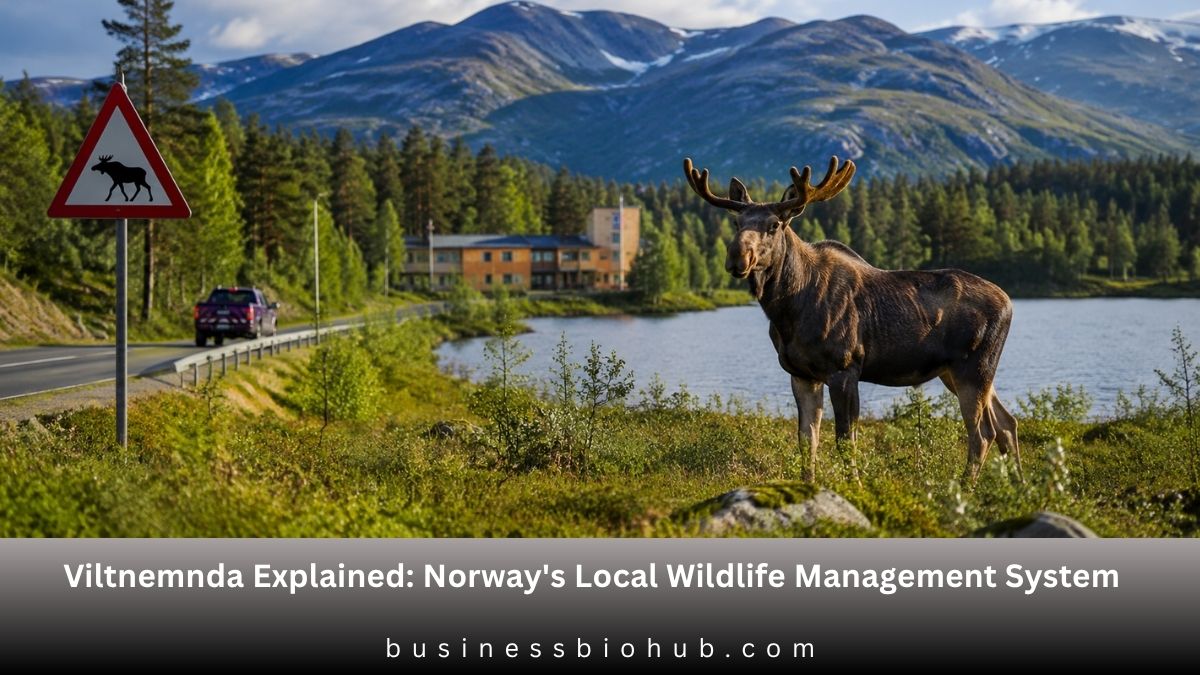
Viltnemnda is a Norwegian term commonly used for a local wildlife committee or wildlife board associated with municipal wildlife management. The name often appears in Norwegian municipal information, hunting discussions, and reports about injured or road-killed wild animals. However, there is an important distinction: a viltnemnda is no longer a compulsory, standardized government body operating in every municipality. Under modern Norwegian wildlife law, the municipality itself is the local wildlife authority, and each municipality can organize its responsibilities differently.
This article explains what Viltnemnda means, how the system developed, what Norwegian municipalities are responsible for, and why the term remains widely used in connection with hunting, wildlife collisions, and local animal management.
What Does Viltnemnda Mean?
The Norwegian noun viltnemnd refers to a committee responsible for wildlife management at the municipal level. Viltnemnda is the definite form, roughly translating as “the wildlife committee” or “the wildlife board.” Norwegian reference works also use viltutvalg as a related term.
The word should not be understood as the name of one national organization. Norway does not have a single Viltnemnda controlling wildlife across the entire country.
Instead, it refers to local administration of wildlife matters. A municipality may maintain a committee specifically called Viltnemnda, combine wildlife matters with another committee, or handle them through municipal employees and another political body.
Is There a Viltnemnda in Every Norwegian Municipality?
Not necessarily.
Historically, the situation was different. From 1952 through 1992, Norwegian municipalities had state wildlife committees appointed by municipal councils. On 1 January 1993, municipalities took over responsibility for local wildlife administration. Since then, municipalities have been able to choose different administrative and political structures to carry out that work.
This history explains why the term remains familiar, even though today’s legal structure refers primarily to the kommune, or municipality.
Norway’s Wildlife Act currently lists the municipality among the official wildlife-management authorities alongside national and regional authorities. It does not require every municipality to maintain a separate organization formally named Viltnemnda.
Therefore, there is no contradiction when one municipality has an active Viltnemnda while another does not.
For example, Hamar municipality describes its own wildlife and fisheries committee as a municipal body responsible for wildlife-management matters. Surnadal, by contrast, states that it discontinued its Viltnemnda in autumn 2023, transferring political responsibility for wildlife matters to another municipal body.
What Does Viltnemnda Do?
The precise duties of a committee called Viltnemnda depend on the authority its municipality delegates to it.
More broadly, Norwegian municipalities have significant responsibilities for local wildlife, particularly hjortevilt, the deer family that includes species such as moose (elg), red deer (hjort), and roe deer (rådyr).
Current Norwegian regulations require municipalities to adopt management objectives for moose, red deer, and roe deer populations where hunting is open. Those objectives should consider factors such as population growth, available grazing, impacts on biodiversity, damage to agriculture or forestry, and wildlife collisions with roads and railways.
Municipal responsibilities under the deer-management regulations also include deciding whether to open hunting locally and establishing the minimum area used in the management and allocation system.
Where a dedicated Viltnemnda exists, it may perform, advise on, or prepare some of these tasks depending on the municipality’s delegation rules.
Wildlife Population Management
Local wildlife management tries to balance several interests rather than simply maximizing the number of animals available for hunting.
Authorities may consider:
- Healthy and sustainable wildlife populations
- Habitat and available food resources
- Agricultural and forestry damage
- Traffic safety
- Biodiversity
- Hunting and recreational interests
- Population trends
Norway’s current deer-management regulation expressly aims at local, sustainable management while preventing wildlife populations from causing unacceptable damage or disadvantages to other social interests.
Viltnemnda and Hunting
The term frequently appears in connection with hunting because municipalities have important administrative duties surrounding deer management.
The present system includes concepts such as vald, meaning an approved geographical hunting area, and minsteareal, the qualifying area used as part of the basis for allocating animals for hunting. Local management also works with population plans and reporting from hunting areas.
Individual hunting areas report hunting statistics to the municipality, and they form part of Norway’s Hjorteviltregisteret, a national system containing information relevant to deer management.
It would therefore be misleading to say that every Viltnemnda independently “sets hunting quotas.” Designated public authorities, particularly municipalities, hold the legal powers, and any local committee exercises only the responsibilities assigned to it.
Viltnemnda and Injured or Road-Killed Wildlife
For many Norwegian residents and motorists, the most visible contact with Viltnemnda occurs after an animal is struck by a vehicle.
Norway’s Public Roads Administration states that a driver who hits an animal must report the incident to the police on 02800. The police can then notify Viltnemnda or other relevant personnel. Drivers should secure the area and mark the location so municipal personnel can determine where the collision occurred.
Motorists should not normally attempt to kill an injured animal themselves unless authorized by the police. Competent personnel can search and determine whether the animal needs euthanasia.
Municipalities may maintain dedicated wildlife-response or fallvilt teams for this purpose. Levanger, for example, describes its Viltnemnda service as responsible for searching for injured wildlife and handling fallen wildlife following hunting incidents, traffic collisions, and similar situations.
This emergency-response function is one reason the traditional term remains familiar even in municipalities where wildlife administration has evolved.
Viltnemnda Is Not the Same as Villreinnemnda
Another useful distinction is between Viltnemnda and Villreinnemnda.
Viltnemnda is a general term associated with municipal wildlife administration. Villreinnemnda, meanwhile, specifically concerns the management of wild reindeer (villrein) across designated wild-reindeer areas.
These should not be treated as interchangeable organizations. Wild-reindeer management often crosses municipal boundaries and has its own regulatory structure. Norwegian deer-management rules assign specific responsibilities to wild-reindeer boards to support long-term, sustainable management of wild reindeer and their habitats.
Why Local Wildlife Management Matters
Wild animals do not follow municipal borders, yet many wildlife issues are highly local.
A municipality with major moose populations may face frequent road collisions. Another may need to balance red-deer numbers against forestry or agricultural damage. Local knowledge can therefore inform decisions about population objectives, hunting areas, and wildlife emergencies.
Norwegian regulations also encourage municipalities to cooperate when deer populations should be managed across municipal boundaries.
The modern system combines national legislation with local implementation rather than relying on a single, uniform committee structure across Norway.
Conclusion
Viltnemnda is best understood as the traditional and still commonly used Norwegian term for a local wildlife committee or wildlife management function. Historically, dedicated state wildlife committees operated across Norwegian municipalities, but that system changed in 1993, when municipalities took responsibility for wildlife.
Today, the municipality is the formal local wildlife authority, while the organizational structure varies. Some municipalities continue to operate committees called Viltnemnda; others use wildlife teams or administrative officers; and some assign political responsibility to different municipal bodies.
The term remains especially relevant to hunting administration, deer population management, wildlife collisions, and the handling of injured animals.
FAQs
What is Viltnemnda in Norway?
Viltnemnda generally refers to a municipal wildlife committee or board that handles local wildlife management matters.
Does every municipality have a Viltnemnda?
No. Since local wildlife responsibilities were transferred to municipalities in 1993, each municipality can organize the work differently.
Is Viltnemnda responsible for hunting?
Municipalities have significant responsibilities for deer management and hunting administration. A Viltnemnda may perform or advise on these responsibilities when authority has been delegated to it.
What should I do after hitting a wild animal in Norway?
Report the collision to the police on 02800, secure the scene, and mark where the animal was struck. Police can contact the appropriate municipal wildlife personnel.
Is Viltnemnda a national Norwegian organization?
No. It is associated with local municipal wildlife management rather than with a single nationwide organization.
Is Viltnemnda the same as Villreinnemnda?
No. Villreinnemnda specifically deals with wild reindeer management, while Viltnemnda is a broader term for municipal wildlife management committees or functions.


Pasonet Explained: Why This Digital Name Is More Complicated Than It First Appears

1upHealth Revenue Cycle Automation Partnerships: What’s Real, What’s Emerging, and Why 2027 Changes the Stakes

Kögel Trailer GmbH Manufacturing or Wholesale? The Business Model Behind the German Trailer Company

Paul Smalley Studied at University: The Education Behind His Global Football Career

Fawn Radmanich Marketing Strategy Experience: Why Her 25-Year A/E/C Career Centers on Winning Complex Work

Emily Seitz Pawlak at TriHealth: The Revenue Cycle Executive Who Pushed Automation Beyond Billing

Jadene Elden, AI Automation and RCM at Southcoast Health: What the Public Record Actually Shows

Tina Esposito Advocate Health Bio: The Data Executive Shaping Analytics, AI and Patient Care

Michael Roe Operating Partner NexPhase: The Verified Record Behind the Name — and the michaelroe.net Question

Briana Biagi Banner Health Fallon NV Staff Directory: What Current Records Actually Show

Astrid Hannah: The Inspiring Story of John Hannah’s Daughter and Her Life Beyond Competitive Swimming

Best Pasticho Venezuelan Lasagna Near Me: A Complete Guide to Finding This Rich Latin Comfort Food

Natasha Podstepny LinkedIn Performant Healthcare Nashville: Inside Her Professional Journey

John Minoli: The Private Life and Career of Sheena Easton’s Fourth Husband

Jeroen Dik: How He Built a Powerful Legacy in Performance Tuning and Motorsport

Lihnk Explained: The Mysterious Search Term, Possible Meanings, and What Users Should Know
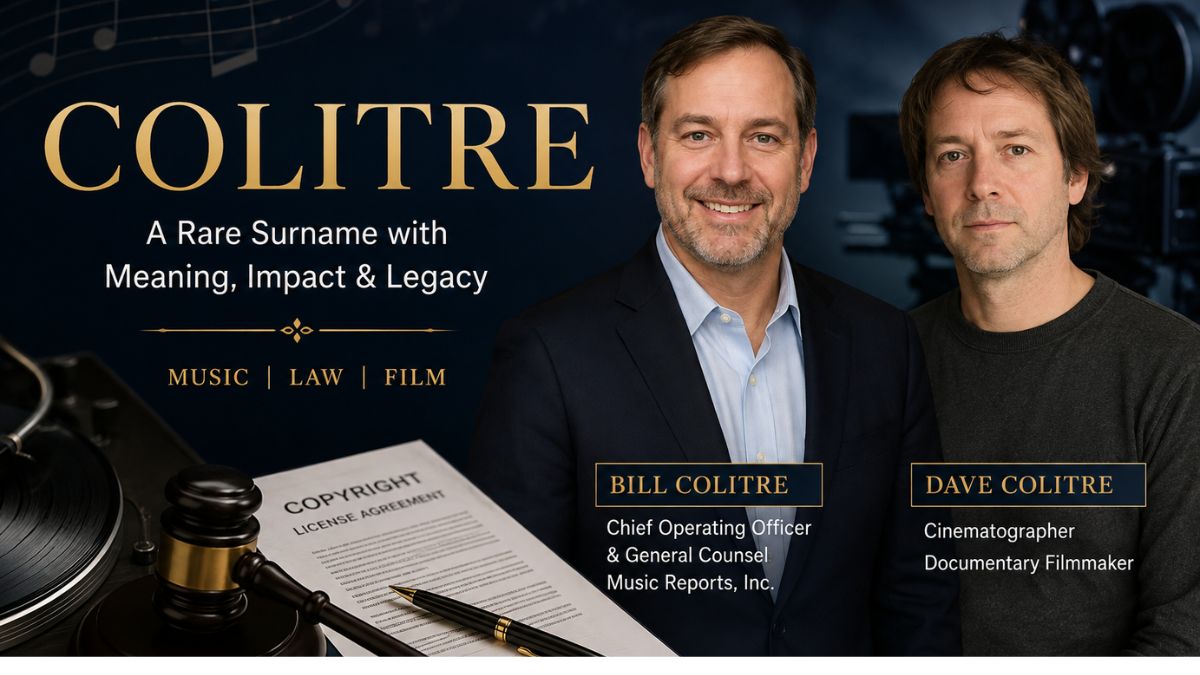
Colitre Explained: The Powerful Story Behind a Rare Name and Its Modern Identity
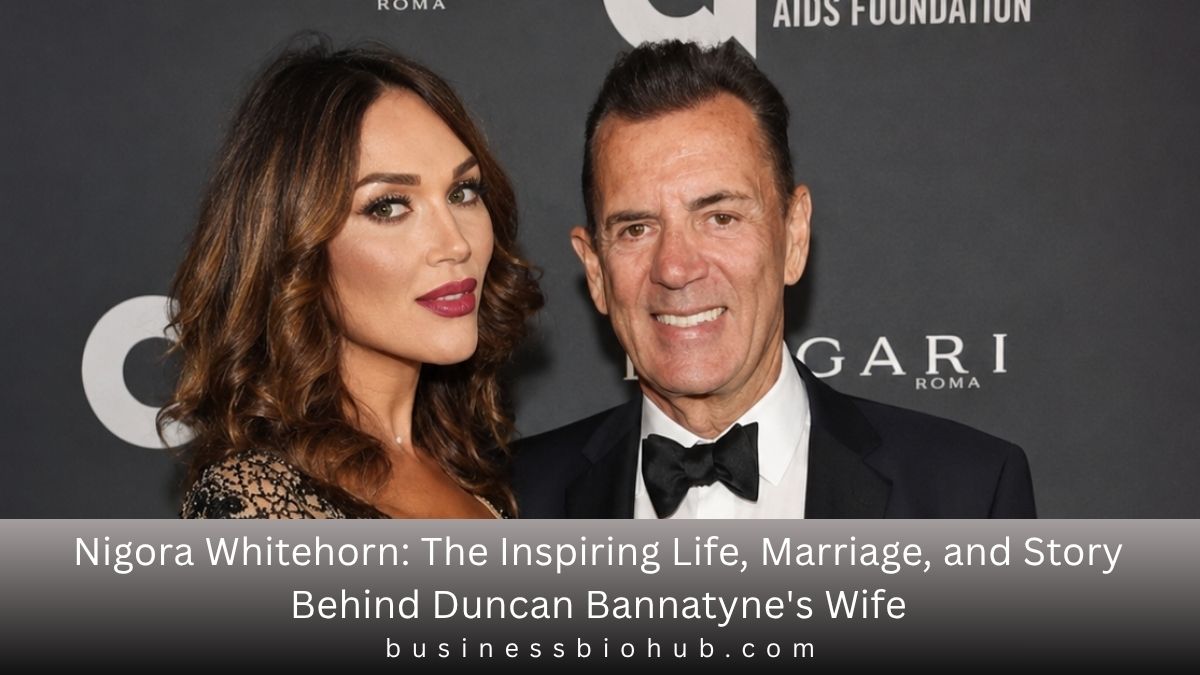
Nigora Whitehorn: The Inspiring Life, Marriage, and Story Behind Duncan Bannatyne’s Wife

Kemberly Blackledge LinkedIn Nashville General Hospital Chief Revenue Officer: How She Built a Powerful Healthcare Finance Career

Elegant Florals Emily Davis Business Description: A Refined Look at Floral Art, Event Design, and Botanical Creativity
Pasonet Explained: Why This Digital Name Is More Complicated Than It First Appears
1upHealth Revenue Cycle Automation Partnerships: What’s Real, What’s Emerging, and Why 2027 Changes the Stakes
Kögel Trailer GmbH Manufacturing or Wholesale? The Business Model Behind the German Trailer Company
Paul Smalley Studied at University: The Education Behind His Global Football Career
Fawn Radmanich Marketing Strategy Experience: Why Her 25-Year A/E/C Career Centers on Winning Complex Work
Emily Seitz Pawlak at TriHealth: The Revenue Cycle Executive Who Pushed Automation Beyond Billing
Jadene Elden, AI Automation and RCM at Southcoast Health: What the Public Record Actually Shows
Tina Esposito Advocate Health Bio: The Data Executive Shaping Analytics, AI and Patient Care
Michael Roe Operating Partner NexPhase: The Verified Record Behind the Name — and the michaelroe.net Question
Briana Biagi Banner Health Fallon NV Staff Directory: What Current Records Actually Show
-
 Celebrity4 months ago
Michael Scott Ryan: The Private Writer Known for His Connection to Jennifer Ehle
-
 Celebrity4 months ago
Daniel Guerard, The Private French Salon Owner Behind Lorraine Bracco’s Early Life Story
-
 Celebrity5 months ago
Caroline Hickman: The Private Life and Public Attention Around Steve Coogan’s Former Wife
-
 Celebrity3 months ago
Benn George, The Private British Businessman Behind a Powerful Chapter in Tiffany Darwish’s Life