
Biographies
Eric Wilhelm: How He Turned Engineering Curiosity Into the Instructables Community

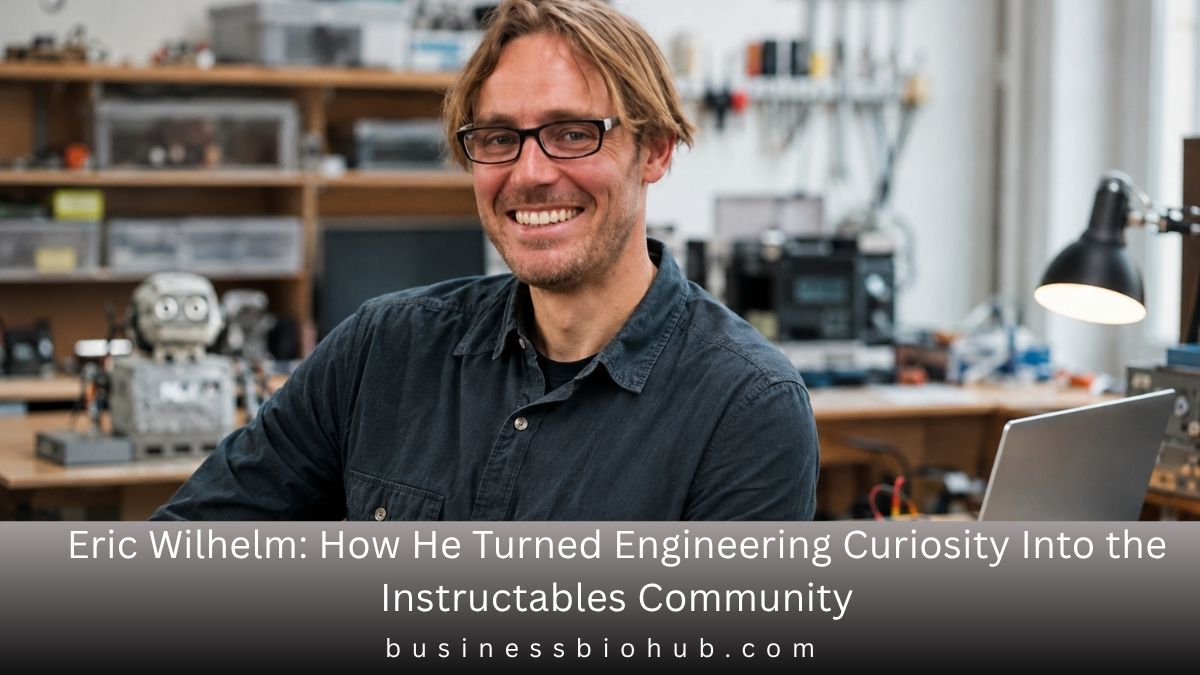
Eric Wilhelm is an American mechanical engineer, entrepreneur, and technology innovator best known as the founder of Instructables, a platform built around a simple but powerful idea: people should be able to document what they create and share that knowledge with others. His professional story combines engineering, experimentation, entrepreneurship, and community building, making him an interesting figure in the development of online maker culture. Rather than following a conventional business path, Wilhelm used his technical background and personal enthusiasm for creating things to help build an online environment where ordinary users could teach one another through detailed projects, images, instructions, and practical experience. His work is closely tied to the rise of the modern DIY movement, digital fabrication, collaborative learning, and the broader maker community, which grew increasingly influential as the social web expanded.
Who Is Eric Wilhelm?
Eric Wilhelm is best known as a mechanical engineer and technology entrepreneur focused on practical innovation. He became widely known through Instructables, a website where users publish step-by-step instructions explaining how to make, repair, build, cook, modify, or experiment with different things. His professional identity is closely tied to the philosophy of learning through action. Instead of treating technical knowledge as something that should remain within universities, laboratories, or private companies, Wilhelm helped create a system in which practical ideas could be openly explained to a much broader audience. This approach made him particularly relevant to hobbyists, engineers, designers, students, artists, programmers, cooks, and people who enjoy building things themselves. His career shows how engineering knowledge can combine with digital technology to build communities based on participation, experimentation, and shared learning.
Eric Wilhelm’s Education and Engineering Background
A key part of Eric Wilhelm’s professional development was his engineering education. He studied at the Massachusetts Institute of Technology (MIT), one of the world’s best-known institutions for science, engineering, and technological research. Wilhelm eventually earned a Ph.D., giving him a strong foundation in mechanical engineering, problem-solving, experimentation, and research. His academic experience helped shape the analytical mindset that later became visible in his entrepreneurial work. Engineering is not only about equations or technical systems; it also involves identifying problems, testing solutions, improving designs, and understanding how physical objects work. These principles became central to the culture that Instructables would later encourage. Wilhelm’s background enabled him to understand complex technical concepts while also appreciating the value of making them accessible to people without formal engineering training.
The Idea Behind Instructables
Instructables reflected Eric Wilhelm’s interest in both making things and documenting the process. Before platforms centered on user-generated tutorials became common, detailed project knowledge was often scattered across specialist forums, personal websites, printed manuals, or small communities. Instructables helped organize this kind of information into a format that was easier to understand and share. Users could publish a project, explain the materials they used, describe each step, upload photographs, discuss mistakes, and allow others to reproduce or improve the idea. The concept proved especially attractive because it treated users not merely as readers but as contributors and teachers. Someone who discovered a clever way to repair a household item, build a piece of furniture, design an electronic device, create a costume, or prepare an unusual recipe could publish the process for others. Wilhelm’s contribution was therefore larger than simply launching another website; he helped popularize a model of community-driven practical education.
How Eric Wilhelm Helped Shape Maker Culture
Instructables grew alongside the modern maker movement, a cultural trend centered on experimentation, craftsmanship, electronics, robotics, fabrication, coding, and DIY creativity. Eric Wilhelm became associated with this movement because the platform offered makers a place to document and distribute their work. This approach shouldn’t be underestimated. Many creative people know how to build impressive things but may not initially think about documenting the process. Instructables encouraged users to transform private experiments into public resources. In doing so, it helped create a cycle in which one person’s project could inspire another person’s improvement, adaptation, or completely new invention. This kind of collaborative creativity became one of the defining characteristics of online maker communities. Wilhelm’s work demonstrated how the internet could support not only communication and entertainment but also hands-on learning and real-world experimentation.
Eric Wilhelm as an Entrepreneur
Although Eric Wilhelm’s engineering background is central to his identity, his career also demonstrates strong entrepreneurial ability. Building a successful online platform requires more than a good technical concept. It demands a clear understanding of users, community behavior, product development, growth, and long-term sustainability. Instructables needed to be useful enough for creators to spend time documenting their projects while remaining accessible to readers with little technical experience. Wilhelm and the team behind the platform had to balance these different needs while creating tools that encouraged interaction. His entrepreneurial journey shows that successful technology businesses often begin with a specific problem rather than a purely commercial idea. In this case, the problem was how to make practical knowledge easier to document, organize, and share. By focusing on that need, Eric Wilhelm helped develop a platform that became recognizable far beyond the engineering community.
Recognition as an Innovator
Eric Wilhelm’s work eventually attracted attention from the wider technology and innovation world. His combination of engineering expertise, entrepreneurship, and community-based knowledge sharing helped establish him as a notable innovator. This recognition reflected the broader importance of platforms that empower users to create their own content rather than consume information produced by large organizations. As the social internet grew, participation-based websites changed how people learned, communicated, and shared expertise. Wilhelm’s work fit naturally into this transformation. His achievements mattered because Instructables focused on useful, practical content rather than purely social interaction. A successful project could help someone learn woodworking, electronics, cooking, programming, home repair, crafts, or dozens of other skills. This practical focus gave the platform a distinctive identity within the technology landscape.
Why Instructables Became Popular
Instructables’ success connects to the universal appeal of learning how to make something. Traditional instructional content often presents an expert explaining a polished method. Still, community-created tutorials can feel more approachable because they often include personal experiments, unexpected problems, alternative materials, and lessons learned along the way. This style lets readers see not only the finished result but also the journey behind it. Eric Wilhelm’s platform provided an organized structure for this type of learning. Over time, the site developed content covering a huge range of interests, including technology, woodworking, electronics, crafts, food, home improvement, design, and outdoor projects. That variety helped attract different kinds of users while maintaining the central idea that knowledge becomes more valuable when it is shared.
The Importance of Open Knowledge and Collaboration
One of the most meaningful aspects of Eric Wilhelm’s work is the emphasis on collaborative knowledge. Practical skills have historically been passed between family members, craftspeople, teachers, apprentices, and local communities. The internet dramatically expanded the scale of this exchange. A project documented by one person could suddenly reach readers in different cities and countries. This created opportunities to learn techniques people might never encounter locally. Instructables became part of this broader transformation by giving creators tools to publish their knowledge in a structured format. Wilhelm’s approach highlighted a key principle of the digital age: expertise does not always come from traditional institutions. Valuable knowledge can also come from hobbyists, independent inventors, experienced craftspeople, students, and ordinary people solving everyday problems.
Eric Wilhelm’s Influence on Modern DIY Learning
Today, step-by-step instructional content is common across websites, video platforms, social networks, and educational communities. Still, platforms like Instructables helped set the expectations users now have for online DIY learning. Readers often want clear photographs, understandable instructions, material lists, explanations of mistakes, and opportunities to ask questions. These features make technical subjects feel less intimidating. Eric Wilhelm’s influence c

Telehealth Psychiatric & Mental Health Care: Accessible Support for a Healthier Mind

West Palm Beach Detox: A Safe and Supportive Start to Lasting Recovery

Drug & Alcohol Rehab in West Palm Beach, FL: Start Your Journey to a Healthier Life

Drug & Alcohol Detox in South Carolina: A Complete Guide to Safe Recovery

Drug and Alcohol Detox Kentucky: Your Guide to Safe Recovery at Paducah Detox Center

Addiction Treatment in Plymouth: Understanding Addiction & Mental Health Treatment

Ohio Center for Adolescent Wellness: Your Guide to Teen Mental Health Services in Ohio

Massachusetts Center for Adolescent Wellness: Your Guide to Teen Mental Health & Addiction Treatment in MA

Foundation Diploma Singapore: A Practical Route Towards Higher Education

How to Stay Safe and Private While Using Public Wi-Fi

Paul Smalley Studied at University: The Education Behind His Global Football Career

Billie Henry: Inside the Private Life Dawn French Fought to Keep Out of the Spotlight

Tina Esposito Advocate Health Bio: The Data Executive Shaping Analytics, AI and Patient Care

Kögel Trailer GmbH Manufacturing or Wholesale? The Business Model Behind the German Trailer Company

Pasonet Explained: Why This Digital Name Is More Complicated Than It First Appears

1upHealth Revenue Cycle Automation Partnerships: What’s Real, What’s Emerging, and Why 2027 Changes the Stakes

Industrial Entrepreneurs Memorandum: The 2026 IEM Rules Every Large Manufacturer Should Understand

Thompson Heath and Bond: What Happened to the London Insurance Broker and Where the Name Exists Today

BioCote Company Size, Employees, Growth and Industry: Inside the Specialist Antimicrobial Business Behind Global Product Protection

EliseAI Head of Partnerships 2024–2026: The Leadership Shift Behind Its Expanding AI Partner Network
Telehealth Psychiatric & Mental Health Care: Accessible Support for a Healthier Mind
West Palm Beach Detox: A Safe and Supportive Start to Lasting Recovery
Drug & Alcohol Rehab in West Palm Beach, FL: Start Your Journey to a Healthier Life
Drug & Alcohol Detox in South Carolina: A Complete Guide to Safe Recovery
Drug and Alcohol Detox Kentucky: Your Guide to Safe Recovery at Paducah Detox Center
Addiction Treatment in Plymouth: Understanding Addiction & Mental Health Treatment
Ohio Center for Adolescent Wellness: Your Guide to Teen Mental Health Services in Ohio
Massachusetts Center for Adolescent Wellness: Your Guide to Teen Mental Health & Addiction Treatment in MA
Foundation Diploma Singapore: A Practical Route Towards Higher Education
How to Stay Safe and Private While Using Public Wi-Fi
-
 Celebrity4 months ago
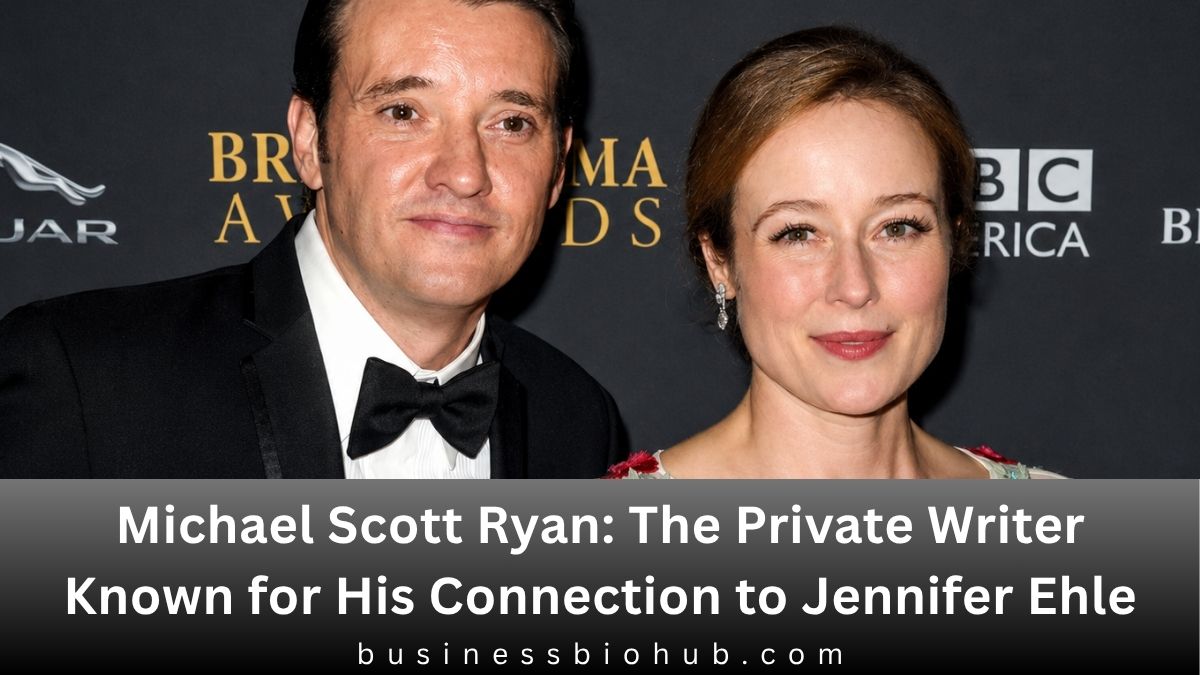
Michael Scott Ryan: The Private Writer Known for His Connection to Jennifer Ehle
-
 Celebrity4 months ago
Benn George, The Private British Businessman Behind a Powerful Chapter in Tiffany Darwish’s Life
-
 Celebrity5 months ago
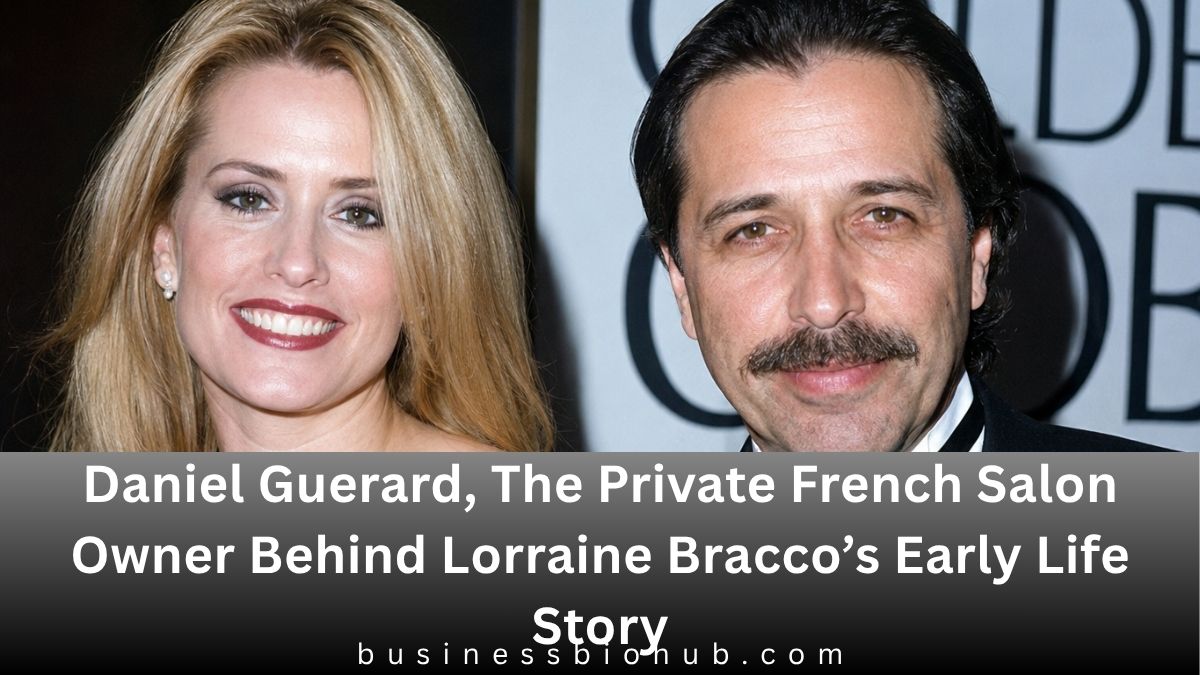
Daniel Guerard, The Private French Salon Owner Behind Lorraine Bracco’s Early Life Story
-
 Celebrity6 months ago
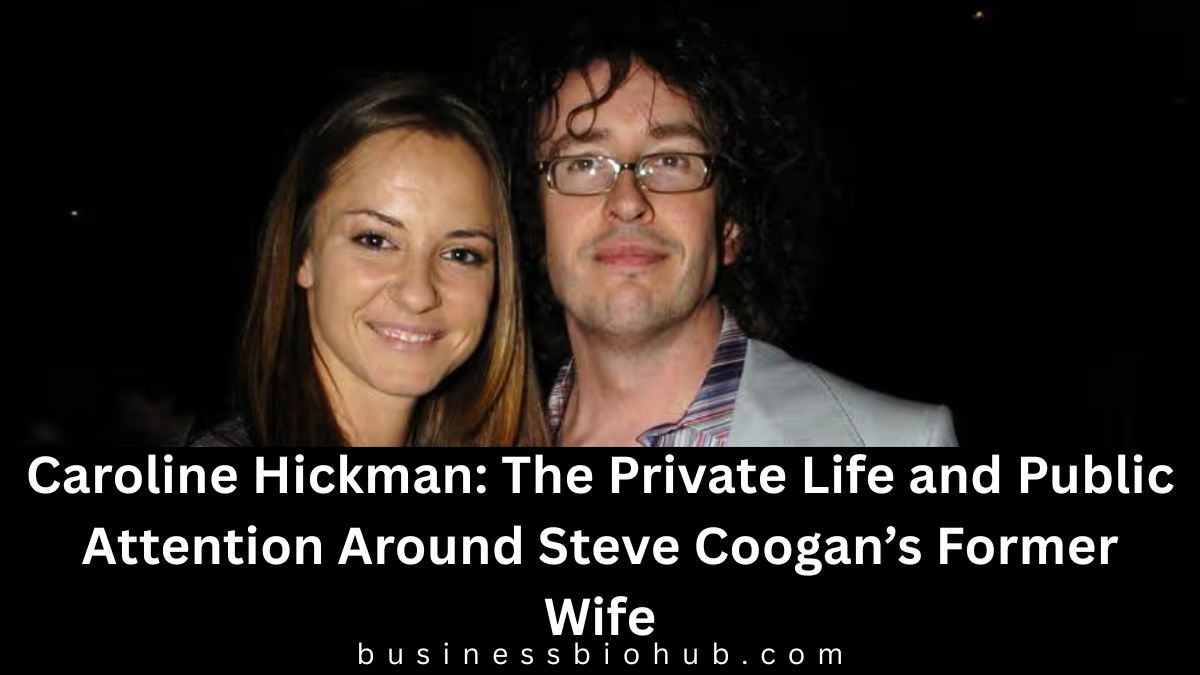
Caroline Hickman: The Private Life and Public Attention Around Steve Coogan’s Former Wife