
Blog
I Can Now See Clearly: The Meaning, Story, and Lasting Hope Behind a Timeless Song

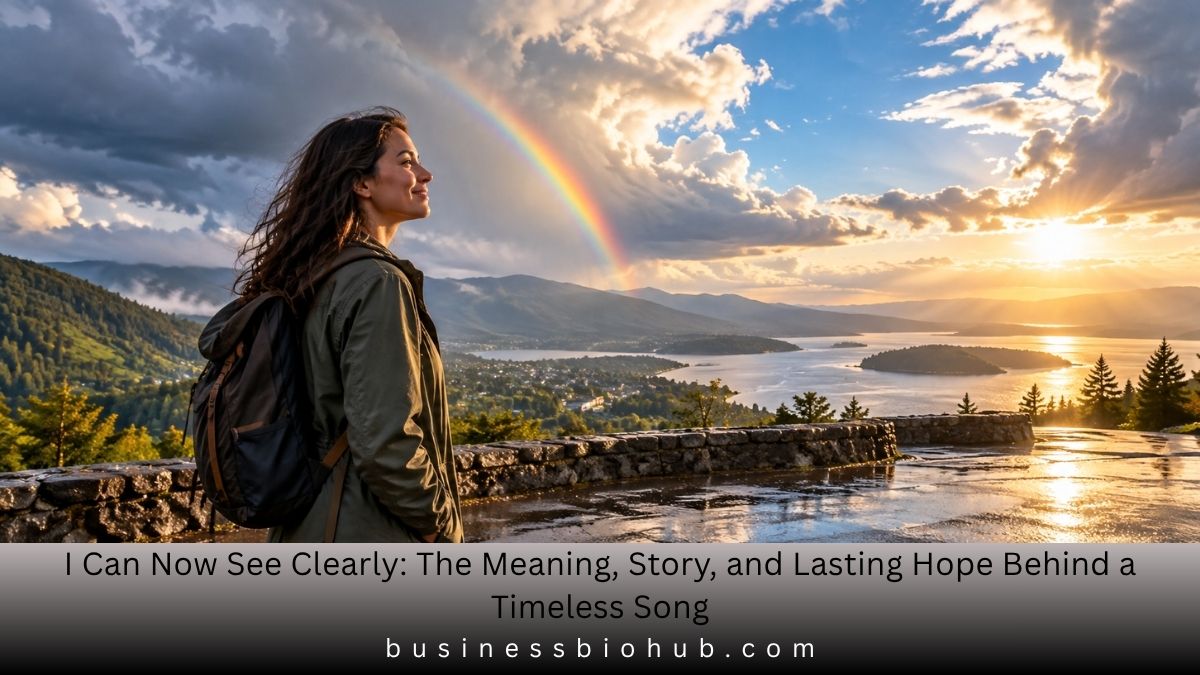
Few musical ideas communicate hope as simply and effectively as i can now see clearly. The phrase immediately suggests a moment when confusion disappears, difficulties become easier to understand, and the future suddenly feels brighter. For many listeners, it also brings to mind the classic song “I Can See Clearly Now,” written and recorded by American singer-songwriter Johnny Nash.
Released in 1972, the song became one of Nash’s best-known recordings and eventually inspired numerous cover versions. Its popularity has lasted because its central idea is universal. Almost everyone experiences periods when life feels uncertain, emotionally heavy, or difficult to navigate. The song presents the moment after such hardship, when a person finally feels able to move forward again.
Rather than depending on a complicated story, the song uses familiar images such as rain, clouds, clear skies, sunshine, and a rainbow. These natural elements become symbols of emotional change. That simplicity has helped the song remain understandable across generations and cultures.
What Does “I Can Now See Clearly” Mean?
In everyday English, saying i can now see clearly can have both a literal and figurative meaning. Literally, it may describe improved eyesight or the ability to see something that was previously difficult to observe. Figuratively, however, the phrase usually refers to gaining understanding or perspective.
Someone may say they can finally see clearly after discovering important information, ending a stressful period, solving a problem, or recognising something they previously misunderstood.
This figurative meaning is central to Johnny Nash’s song. Clear sight represents more than physical vision. It represents emotional understanding, confidence, and the ability to recognise challenges without being controlled by them.
Understanding the Song’s Main Message
The core message of I Can See Clearly Now is about moving from hardship toward hope.
The narrator appears to have passed through a difficult emotional period. The problems have not necessarily disappeared completely, but his relationship with those problems has changed. He can recognise what stands ahead and believes he can face it.
That distinction gives the song more depth than a simple celebration of happiness. Clarity does not mean there will never be another obstacle. Instead, it means being able to identify obstacles without feeling completely overwhelmed by them.
Why Clarity Matters in the Song
Clarity represents a turning point.
During difficult times, people may struggle to understand what they should do next. Stress can make ordinary decisions feel complicated. When circumstances improve, the same problems may suddenly seem manageable.
The song captures that emotional transition in a direct and memorable way. Instead of describing every detail of the narrator’s difficulties, it focuses on what happens when his perspective changes.
Johnny Nash and I Can See Clearly Now
Johnny Nash was an American singer and songwriter whose career crossed pop, soul, and reggae-influenced music. He had already been recording for years before releasing I Can See Clearly Now in 1972.
The recording became a major success and helped define Nash’s musical legacy. Its warm arrangement and uplifting theme made it accessible to listeners far beyond one particular musical audience.
Why the 1972 Song Became So Popular
The song arrived with several qualities that supported its popularity. It had a memorable melody, straightforward language, an optimistic message, and imagery that listeners could immediately understand.
People did not need to know anything about Johnny Nash’s personal life to connect with the song. A listener experiencing disappointment could interpret it one way, while someone recovering from personal difficulties might understand it differently.
That flexibility became one of the recording’s greatest strengths.
A Song That Allows Personal Interpretation
There is no requirement to connect the song to one specific type of hardship.
The difficult period represented in the song could mean sadness, uncertainty, relationship problems, professional struggles, disappointment, fear, or another personal challenge.
Because the lyrics leave room for interpretation, people can bring their own experiences to the music. This makes the song feel personal even though millions of listeners know it.
The Symbolism Behind Rain, Clouds, and Sunshine
Nature plays an important role in the meaning of I Can See Clearly Now.
Weather is commonly used in literature, film, poetry, and music to represent human emotions. Storms can suggest trouble, while sunshine can suggest happiness or relief. Nash’s song uses this familiar symbolism particularly effectively.
Rain as a Symbol of Difficult Times
Rain represents a period of hardship or emotional uncertainty.
During heavy rain, visibility becomes limited. In the same way, difficult emotions can make it harder to see possibilities or make confident decisions.
When the weather improves, visibility returns. Symbolically, this represents the narrator regaining perspective.
Dark Clouds and Emotional Uncertainty
Clouds strengthen the idea of confusion and temporary darkness.
Importantly, clouds do not remain forever. They move away. This natural process supports the song’s hopeful message that difficult periods can change.
The metaphor works because it does not pretend hardship never existed. The storm was real, but it was not permanent.
Sunshine as a Symbol of Renewal
Sunshine represents what becomes possible after the emotional storm.
It suggests warmth, openness, optimism, and a renewed ability to look ahead. The contrast between gloomy weather and bright conditions gives the song a clear emotional journey from difficulty toward hope.
Why the Song Is About Resilience
Another important theme connected with i can now see clearly is resilience.
Resilience does not mean avoiding every difficult experience. It means continuing after setbacks and finding a way to adapt.
The narrator reaches a point where challenges can be recognised rather than feared. This makes the song especially meaningful to people who have recently moved through stressful periods.
Seeing Obstacles Instead of Ignoring Them
One of the most interesting ideas in the song is that clarity allows the narrator to recognise obstacles.
This is different from claiming that every problem has vanished.
In real life, improvement often works the same way. A person may still face difficult decisions after recovering from a setback. What changes is their ability to understand those decisions and respond to them more confidently.
That makes the song optimistic without requiring the unrealistic idea that a good future contains no challenges.
The Jimmy Cliff Version and Renewed Popularity
The song received new attention when Jamaican singer Jimmy Cliff recorded a well-known cover version in the early 1990s.
Cliff’s performance introduced the composition to another generation of listeners while maintaining its hopeful character. His reggae background also fitted naturally with the warm, uplifting atmosphere associated with the song.
Cover versions such as this demonstrate how strong songwriting can survive changes in generation, production style, and performer.
Why Different Generations Still Connect With It
Music changes rapidly, but certain emotional themes remain constant.
People still experience uncertainty. They still recover from disappointment. They still search for hope when circumstances become difficult.
For that reason, a song about emerging from a troubled period continues to feel relevant decades after its original release.
“I Can Now See Clearly” as an Everyday Expression
Outside music, the phrase can describe many forms of personal understanding.
A student may finally understand a difficult subject. Someone may recognise why a relationship failed. A business owner might discover the cause of a recurring problem. Another person may simply gain a better understanding of their priorities.
In each example, seeing clearly means replacing uncertainty with understanding.
From Confusion to Perspective
Clarity often arrives after reflection rather than immediately.
A difficult event may initially feel confusing, but time and new information can change how someone interprets it. What once appeared impossible may eventually become understandable.
This explains why the phrase carries such emotional power. It describes not only knowledge but also the relief that can come with knowledge.
Why I Can See Clearly Now Remains Timeless
More than five decades after its original release, I Can See Clearly Now continues to represent optimism and renewal.
Its enduring appeal comes from a simple emotional truth: difficult periods can change, and perspective can return even after a time of uncertainty.
Johnny Nash transformed that idea into an accessible song using universal images from the natural world. Rain represents hardship, clouds represent uncertainty, and brighter skies represent renewed hope.
The phrase i can now see clearly therefore means much more than simply being able to see. In the context of the song and everyday life, it describes understanding what lies ahead, recognising challenges, leaving emotional darkness behind, and believing that better circumstances are possible.
Conclusion
I can now see clearly expresses one of the most recognisable experiences in human life: the moment when confusion begins to disappear and the path forward becomes easier to understand.
Johnny Nash’s I Can See Clearly Now captured this experience through simple but powerful symbolism. Its imagery of changing weather transforms an individual emotional journey into something almost anyone can recognise.
The song does not suggest that life becomes permanently free from difficulty. Its stronger message is that obstacles become easier to face when perspective returns.
That combination of realism and optimism explains why the song has survived across generations. Whether someone hears Johnny Nash’s original recording, discovers a later version such as Jimmy Cliff’s, or simply encounters the phrase in everyday conversation, its central idea remains clear: after periods of uncertainty, people can rediscover perspective, confidence, and hope for what comes next.

Telehealth Psychiatric & Mental Health Care: Accessible Support for a Healthier Mind

West Palm Beach Detox: A Safe and Supportive Start to Lasting Recovery

Drug & Alcohol Rehab in West Palm Beach, FL: Start Your Journey to a Healthier Life

Drug & Alcohol Detox in South Carolina: A Complete Guide to Safe Recovery

Drug and Alcohol Detox Kentucky: Your Guide to Safe Recovery at Paducah Detox Center

Addiction Treatment in Plymouth: Understanding Addiction & Mental Health Treatment

Ohio Center for Adolescent Wellness: Your Guide to Teen Mental Health Services in Ohio

Massachusetts Center for Adolescent Wellness: Your Guide to Teen Mental Health & Addiction Treatment in MA

Foundation Diploma Singapore: A Practical Route Towards Higher Education

How to Stay Safe and Private While Using Public Wi-Fi

Paul Smalley Studied at University: The Education Behind His Global Football Career

Diamo Jewels Under the Lens: What Buyers Should Know Before Ordering in 2026

Billie Henry: Inside the Private Life Dawn French Fought to Keep Out of the Spotlight

Tina Esposito Advocate Health Bio: The Data Executive Shaping Analytics, AI and Patient Care

Kögel Trailer GmbH Manufacturing or Wholesale? The Business Model Behind the German Trailer Company

iPhone 17 Pro Max Phone Case: Best Protection Choices That Actually Matter in 2026

Pasonet Explained: Why This Digital Name Is More Complicated Than It First Appears

1upHealth Revenue Cycle Automation Partnerships: What’s Real, What’s Emerging, and Why 2027 Changes the Stakes

Industrial Entrepreneurs Memorandum: The 2026 IEM Rules Every Large Manufacturer Should Understand

EliseAI Head of Partnerships 2024–2026: The Leadership Shift Behind Its Expanding AI Partner Network
Telehealth Psychiatric & Mental Health Care: Accessible Support for a Healthier Mind
West Palm Beach Detox: A Safe and Supportive Start to Lasting Recovery
Drug & Alcohol Rehab in West Palm Beach, FL: Start Your Journey to a Healthier Life
Drug & Alcohol Detox in South Carolina: A Complete Guide to Safe Recovery
Drug and Alcohol Detox Kentucky: Your Guide to Safe Recovery at Paducah Detox Center
Addiction Treatment in Plymouth: Understanding Addiction & Mental Health Treatment
Ohio Center for Adolescent Wellness: Your Guide to Teen Mental Health Services in Ohio
Massachusetts Center for Adolescent Wellness: Your Guide to Teen Mental Health & Addiction Treatment in MA
Foundation Diploma Singapore: A Practical Route Towards Higher Education
How to Stay Safe and Private While Using Public Wi-Fi
-
 Celebrity4 months ago
Michael Scott Ryan: The Private Writer Known for His Connection to Jennifer Ehle
-
 Celebrity4 months ago
Benn George, The Private British Businessman Behind a Powerful Chapter in Tiffany Darwish’s Life
-
 Celebrity5 months ago
Daniel Guerard, The Private French Salon Owner Behind Lorraine Bracco’s Early Life Story
-
 Celebrity6 months ago
Caroline Hickman: The Private Life and Public Attention Around Steve Coogan’s Former Wife