Health
albumīns: The Essential Blood Protein That Supports Fluid Balance and Healthy Body Function

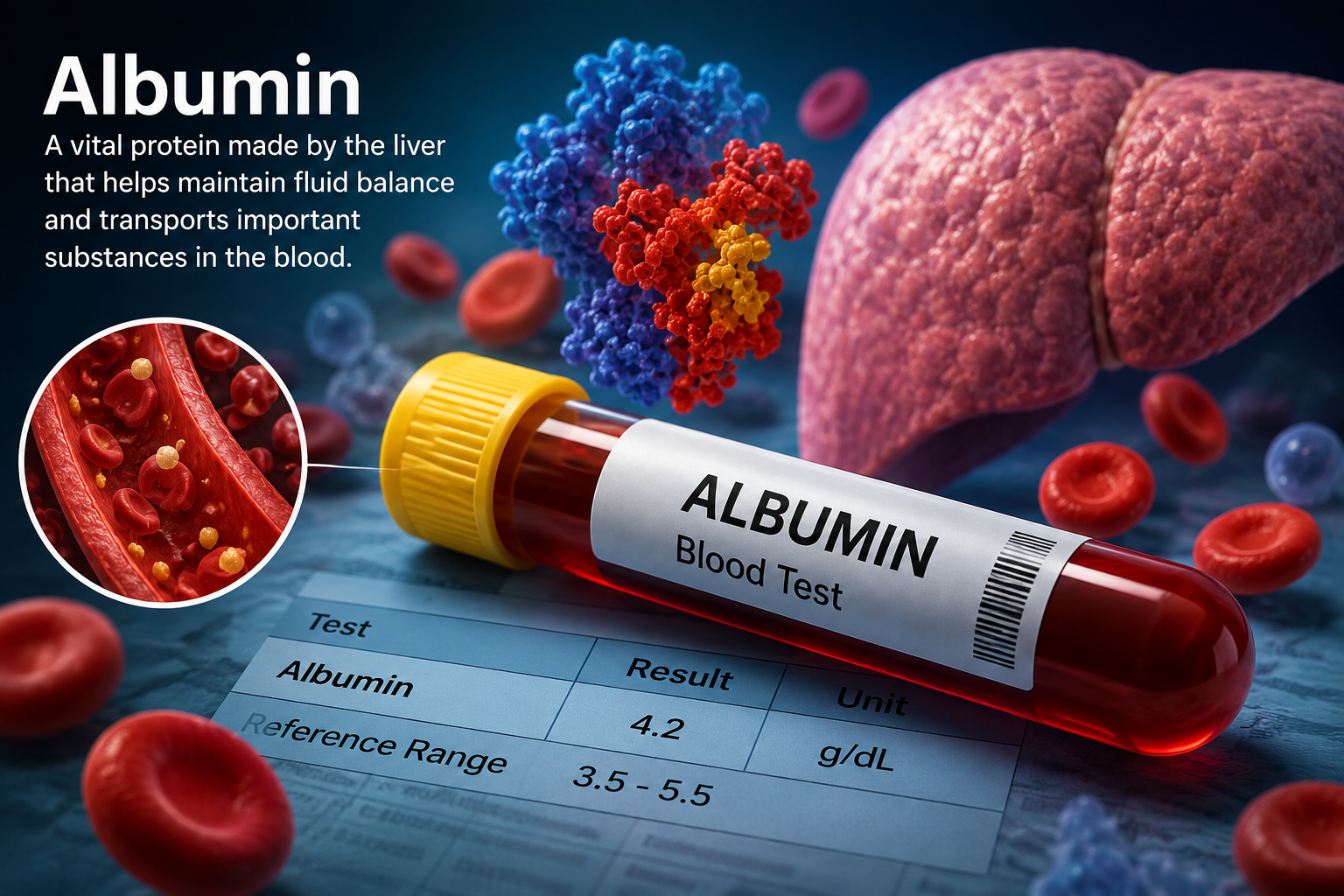
Albumīns is one of the most important proteins found in human blood plasma and play a vital role in maintaining the body’s fluid balance, transporting essential substances, and supporting overall health. Produced mainly by the liver, albumin helps keep fluid inside blood vessels while carrying hormones, fatty acids, bilirubin, minerals, and certain medications throughout the body. Because of these important functions, changes in albumīns levels can sometimes provide valuable clues about liver function, kidney health, nutrition, hydration, and inflammation. Understanding what albumin does, why doctors test it, and what high or low levels may indicate can make blood test results easier to understand and help people become better informed about their health.
What Is Albumīns?
Albumīns, commonly called albumin in English, is one of the most important proteins circulating in human blood. It is produced mainly by the liver and represents a large proportion of the total protein found in blood plasma. Although albumin is often discussed only when someone receives a blood test result, its role is much broader. It contributes to normal fluid balance, carries important substances through the bloodstream, and provides the body with a reserve of amino acids when required.
The concentration of albumin in the blood can also provide useful information about a person’s general health. Doctors may measure it when evaluating liver function, kidney health, nutritional status, inflammation, or unexplained swelling. An abnormal albumin result does not automatically identify a specific disease, but it can provide an important clue when interpreted alongside symptoms and other laboratory findings.
How Albumīns Is Produced in the Body
Albumīns is synthesized primarily by liver cells known as hepatocytes. Once produced, it is released into the bloodstream, where it circulates throughout the body and performs several essential functions. Because the liver produces albumin, serious or long-term liver disorders can sometimes reduce the amount available in the blood.
Albumin production is also influenced by the availability of nutrients, particularly proteins and amino acids. However, a low albumin level should not automatically be assumed to result from poor nutrition. Inflammation, kidney disease, fluid shifts, chronic illness, and other medical conditions can also influence blood concentrations.
Why the Liver Matters for Albumin Levels
A healthy liver normally maintains a steady supply of albumin. When liver function becomes significantly impaired, protein production may decrease. This is why albumin is sometimes included in tests used to evaluate chronic liver disease.
Albumin levels often change gradually rather than immediately because the protein remains in circulation for a relatively long period. For this reason, doctors generally interpret albumin together with other indicators rather than relying on a single measurement.
Main Functions of Albumīns
Albumīns performs several roles that are essential for normal physiology. One of its most important responsibilities is helping control the movement of water between the bloodstream and surrounding tissues.
Maintaining Oncotic Pressure and Fluid Balance
Blood vessels constantly exchange water and dissolved substances with surrounding tissues. Albumin generates much of the oncotic pressure that helps maintain fluid within blood vessels.
When albumin becomes significantly reduced, fluid can move more easily into surrounding tissues. This may contribute to edema, which is visible swelling commonly noticed in the legs, ankles, feet, or other parts of the body. Severe changes in fluid distribution can also occur in certain advanced medical conditions.
Transporting Important Substances
Another major role of albumīns is transportation. Albumin can bind to numerous molecules and carry them through the bloodstream. These include fatty acids, hormones, bilirubin, certain minerals, and many medications.
This binding ability is medically important because it can affect how substances circulate and become available to tissues. Some medicines strongly bind to albumin, meaning significant changes in blood albumin concentrations may influence their distribution in the body.
Albumin as an Amino Acid Reserve
Albumin also serves as a source of amino acids. Amino acids are the building blocks used to produce proteins needed for tissues, enzymes, hormones, immune functions, and many other biological processes.
During periods of illness or increased metabolic demand, the body may use circulating proteins as part of its broader system for maintaining essential functions.
Albumīns Blood Test and Normal Levels
An albumīns blood test measures the amount of albumin present in the blood. It is often included within broader blood panels designed to assess liver function, metabolic health, or nutritional status.
For many adults, blood albumin is commonly reported within a range of approximately 35 to 50 grams per liter, although some laboratories may use slightly different reference ranges. Results should therefore always be compared with the specific reference interval printed on the laboratory report.
Why Doctors Order an Albumin Test
A healthcare professional may request albumin testing when investigating symptoms such as unexplained swelling, weakness, changes in body weight, jaundice, or signs suggesting liver or kidney problems.
Albumin may also be monitored in people with known chronic illnesses. Because numerous factors influence the result, the number is usually considered alongside kidney markers, liver enzymes, total protein, inflammatory markers, urine findings, and the person’s medical history.
What Does Low Albumīns Mean?
A reduced albumīns concentration in the blood is known as hypoalbuminemia. Low albumin is not a disease itself. Instead, it is a laboratory finding that can occur for several different reasons.
Liver disorders may reduce albumin production when the liver can no longer synthesize proteins efficiently. Kidney disorders can cause albumin to be lost in the urine, particularly when the kidneys’ filtering structures are damaged.
Poor nutritional intake or problems absorbing nutrients can sometimes contribute to reduced protein levels. Serious inflammation, major burns, severe infections, and some chronic illnesses may also cause blood albumin concentrations to fall.
Symptoms Associated With Low Albumin
Low albumin may not produce obvious symptoms when the reduction is mild. More significant decreases can be associated with swelling, particularly around the ankles or legs, because reduced oncotic pressure allows additional fluid to enter surrounding tissues.
Any symptoms depend heavily on the underlying cause. Someone with liver disease may experience a different pattern of symptoms from someone losing protein through the kidneys. Identifying why albumin is low is therefore more important than simply attempting to increase the laboratory number.
What Does High Albumīns Mean?
Elevated albumīns levels are generally less common than low levels. A relatively high blood albumin concentration may occur when the amount of water in the bloodstream becomes reduced.
Dehydration is one possible explanation because losing body fluid can make substances in the blood appear more concentrated. The result should still be interpreted in the context of other blood tests, symptoms, hydration status, medications, and medical history.
Can Diet Cause High Albumin?
Eating protein-rich foods does not usually cause a major abnormal increase in blood albumin in an otherwise healthy person. The human body regulates blood protein levels through complex metabolic processes rather than allowing albumin concentrations to rise directly in response to a single meal or food choice.
Albumīns in Urine and Kidney Health
Healthy kidneys normally prevent most albumin from passing from the bloodstream into the urine. When the kidney’s filtering structures are damaged, small amounts may appear in the urine.
Testing urine albumin can therefore help healthcare professionals identify certain forms of kidney damage. This is particularly important for people who have conditions associated with increased kidney risk.
Albumin-to-Creatinine Ratio
A urine albumin-to-creatinine ratio is commonly used to assess albumin loss through the kidneys. The ratio helps account for differences in urine concentration and can provide a more useful assessment than albumin concentration alone.
An abnormal result may need to be repeated because temporary changes can occur due to exercise, illness, infection, hydration differences, or other factors.
How to Support Healthy Albumīns Levels
Maintaining healthy albumīns levels begins with supporting overall health rather than focusing on a single protein measurement. A balanced diet containing adequate protein, carbohydrates, healthy fats, vitamins, and minerals provides the nutrients the body requires for normal protein production.
Good hydration is also important because dehydration can alter the apparent concentration of albumin in the blood. People with diagnosed liver, kidney, digestive, or inflammatory disorders should follow medical advice for their underlying condition.
Why Treating the Cause Matters
If albumin is abnormal because of kidney protein loss, liver dysfunction, inflammation, or another disease, simply eating more protein may not correct the problem. Effective management depends on identifying and treating the reason for the abnormal result.
Why Albumīns Is an Important Health Marker
Albumīns is much more than a number on a laboratory report. This essential plasma protein supports fluid balance, transports important substances, contributes to normal metabolism, and provides useful information about several aspects of health.
Low or high albumin results should always be interpreted in context, as numerous conditions can affect its concentration. A single abnormal result rarely provides a complete diagnosis. However, when combined with other blood tests, urine tests, symptoms, and medical history, albumin can be an extremely useful marker of liver function, kidney health, nutritional status, fluid balance, and overall physiological stability.
Understanding the role of albumīns makes laboratory results easier to interpret and highlights why this protein remains one of the most important components of human blood plasma.


Telehealth Psychiatric & Mental Health Care: Accessible Support for a Healthier Mind

West Palm Beach Detox: A Safe and Supportive Start to Lasting Recovery

Drug & Alcohol Rehab in West Palm Beach, FL: Start Your Journey to a Healthier Life

Drug & Alcohol Detox in South Carolina: A Complete Guide to Safe Recovery

Drug and Alcohol Detox Kentucky: Your Guide to Safe Recovery at Paducah Detox Center

Addiction Treatment in Plymouth: Understanding Addiction & Mental Health Treatment

Ohio Center for Adolescent Wellness: Your Guide to Teen Mental Health Services in Ohio

Massachusetts Center for Adolescent Wellness: Your Guide to Teen Mental Health & Addiction Treatment in MA

Foundation Diploma Singapore: A Practical Route Towards Higher Education

How to Stay Safe and Private While Using Public Wi-Fi

Paul Smalley Studied at University: The Education Behind His Global Football Career

Diamo Jewels Under the Lens: What Buyers Should Know Before Ordering in 2026

Billie Henry: Inside the Private Life Dawn French Fought to Keep Out of the Spotlight

Tina Esposito Advocate Health Bio: The Data Executive Shaping Analytics, AI and Patient Care

Kögel Trailer GmbH Manufacturing or Wholesale? The Business Model Behind the German Trailer Company

iPhone 17 Pro Max Phone Case: Best Protection Choices That Actually Matter in 2026

Pasonet Explained: Why This Digital Name Is More Complicated Than It First Appears

1upHealth Revenue Cycle Automation Partnerships: What’s Real, What’s Emerging, and Why 2027 Changes the Stakes

Industrial Entrepreneurs Memorandum: The 2026 IEM Rules Every Large Manufacturer Should Understand

EliseAI Head of Partnerships 2024–2026: The Leadership Shift Behind Its Expanding AI Partner Network
Telehealth Psychiatric & Mental Health Care: Accessible Support for a Healthier Mind
West Palm Beach Detox: A Safe and Supportive Start to Lasting Recovery
Drug & Alcohol Rehab in West Palm Beach, FL: Start Your Journey to a Healthier Life
Drug & Alcohol Detox in South Carolina: A Complete Guide to Safe Recovery
Drug and Alcohol Detox Kentucky: Your Guide to Safe Recovery at Paducah Detox Center
Addiction Treatment in Plymouth: Understanding Addiction & Mental Health Treatment
Ohio Center for Adolescent Wellness: Your Guide to Teen Mental Health Services in Ohio
Massachusetts Center for Adolescent Wellness: Your Guide to Teen Mental Health & Addiction Treatment in MA
Foundation Diploma Singapore: A Practical Route Towards Higher Education
How to Stay Safe and Private While Using Public Wi-Fi
-
 Celebrity4 months ago
Michael Scott Ryan: The Private Writer Known for His Connection to Jennifer Ehle
-
 Celebrity4 months ago
Benn George, The Private British Businessman Behind a Powerful Chapter in Tiffany Darwish’s Life
-
 Celebrity5 months ago
Daniel Guerard, The Private French Salon Owner Behind Lorraine Bracco’s Early Life Story
-
 Celebrity6 months ago
Caroline Hickman: The Private Life and Public Attention Around Steve Coogan’s Former Wife